My vague prompts to Claude Code went wrong less than my exact ones
I labelled 1,410 of my own prompts to Claude Code. When I left the decision open, it went wrong about half as often. Except for copy.
World News shows the whole fight. See what was taken and who fell, name an heir for your alliance, watch the rain cross the map
World News shows the whole fight, alliances name an heir, the Desk folds and filters its reports, and rain crosses the map.
What my friend BigChris changed in Inselnova in 206 days
BigChris was the third player to join Inselnova's first world. He cheesed it on day two, lost constantly, found my report bugs and slowly faded out.
The Black Tide remembers. Strike it and it strikes back harder, watch any battle replayed, and mind your Honour
The Black Tide holds a grudge, Honour and bounties come to the Tavern, and any battle can be replayed.
Quality of life, first batch. The clerks have answered your letters, starting with the ones about the Market
The first batch of quality of life fixes: a simpler Market, clearer Workshop crafting, a page for every alliance and @mentions in chat.
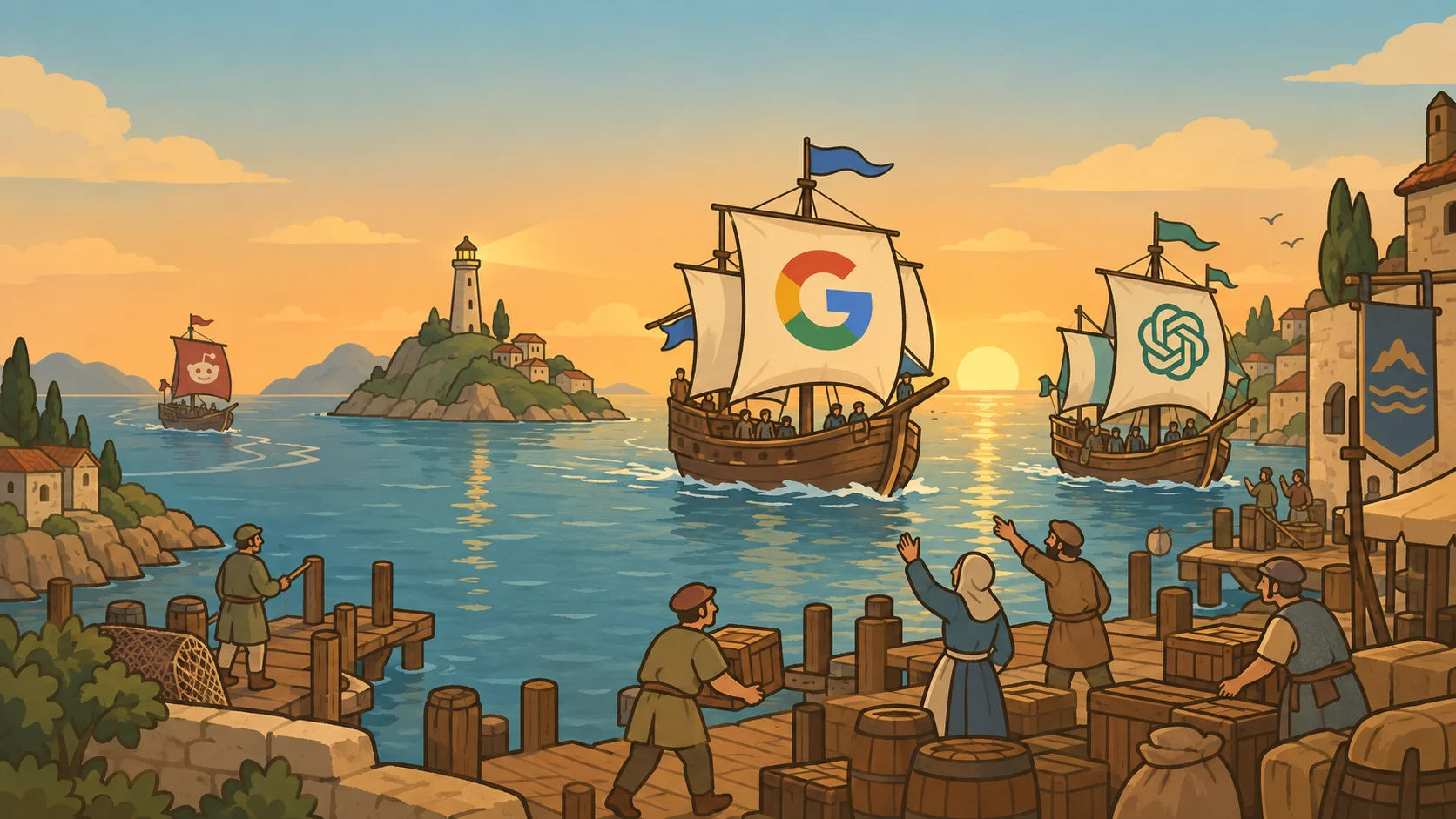
From release to organic traction: how Google and ChatGPT took over from Reddit
Seven months from release: direct messages, Reddit, a Discord spike, then comparison pages. By August Google and ChatGPT sent most new players.
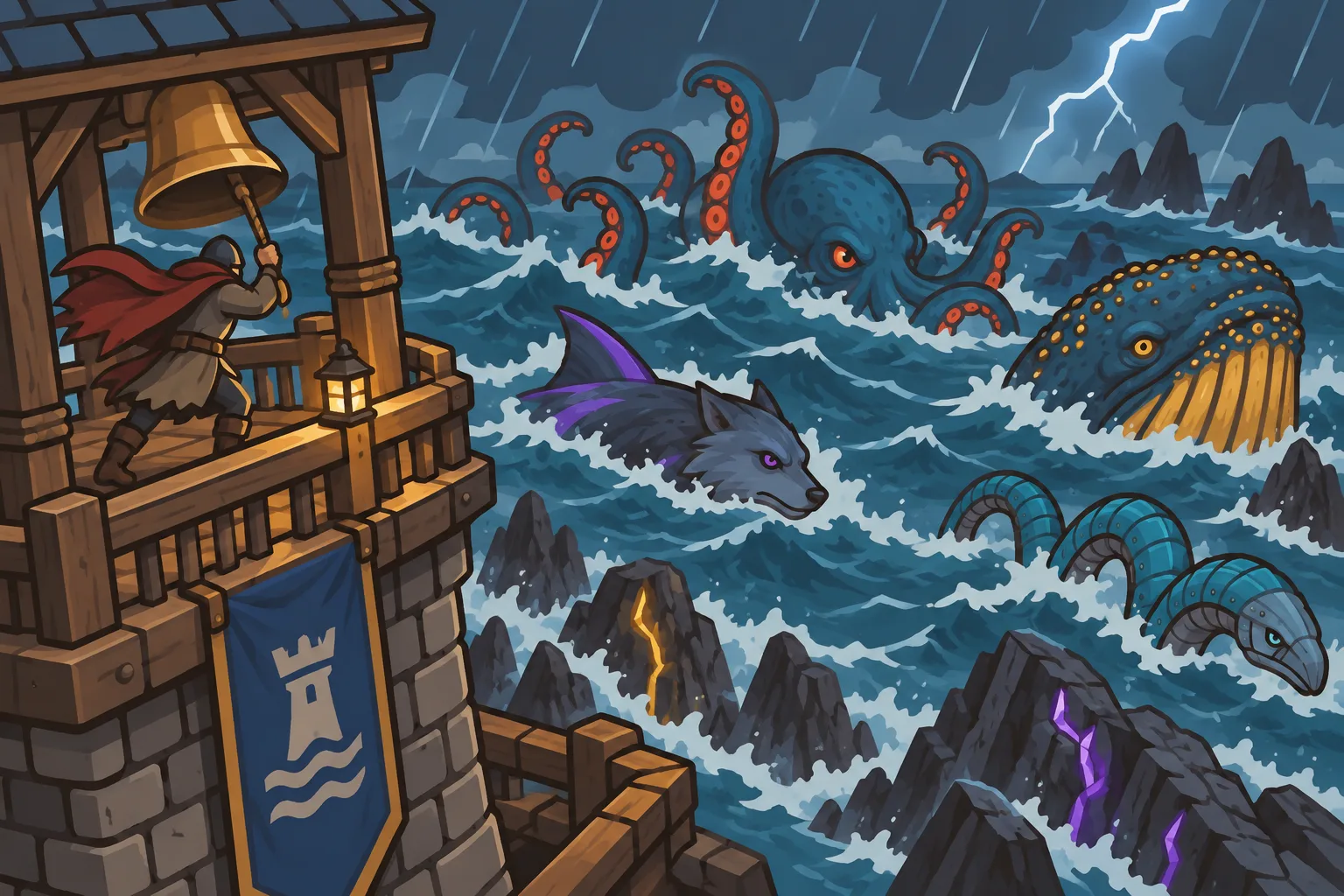
The Lumen Rupture: claim the sea rocks, dig their ore, forge doctrine shot and hunt the four Risen
The Risen come through when the Black Tide's Lumen hoard climbs too high. Claim sea rocks, forge doctrine shot and hunt them down.
How I ask every new player for feedback, and what comes back
Every new player gets a feedback message an hour after joining. 17.5% reply, active players far more. The numbers, and what the replies turned into.
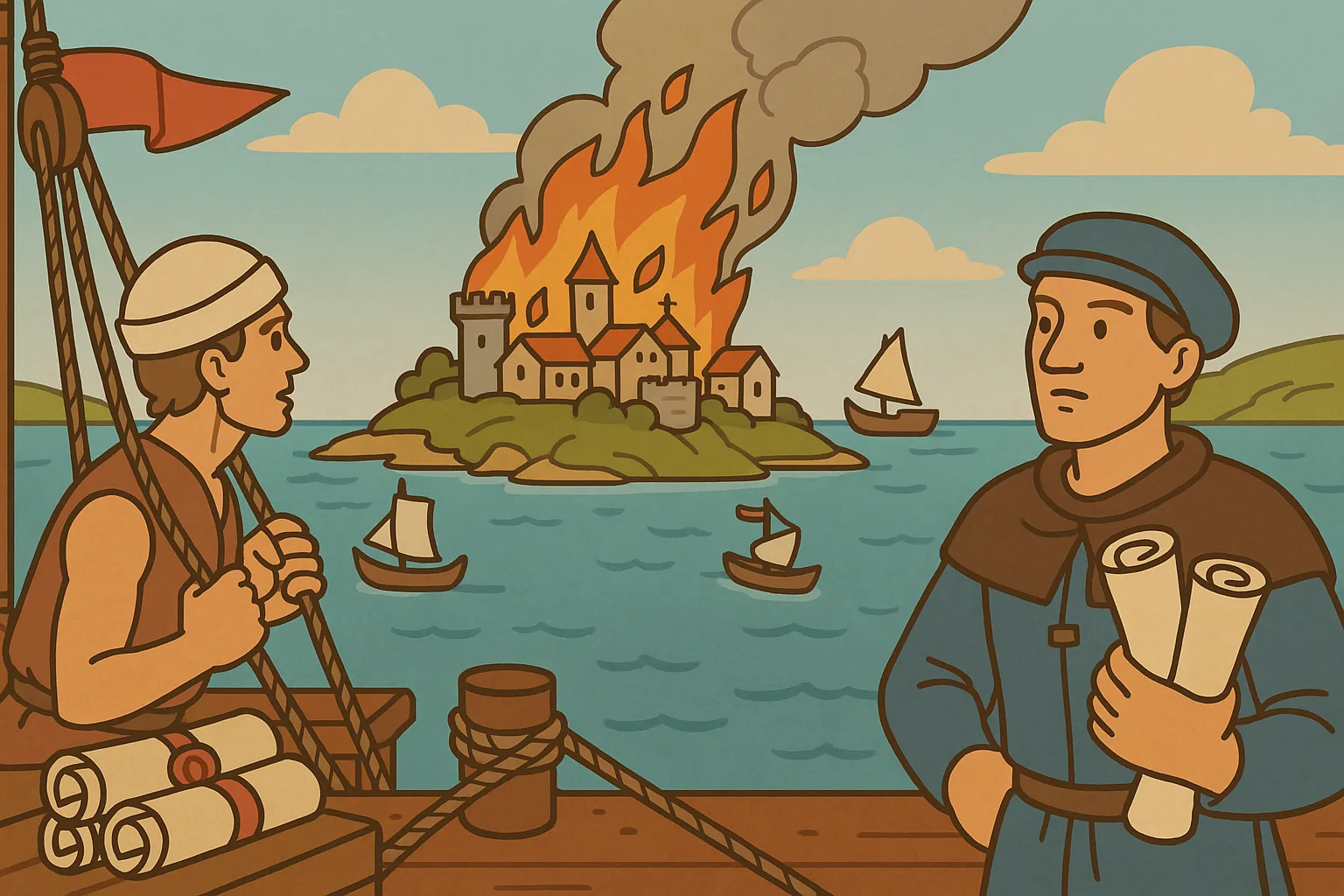
The UI shows you what's happening instead of telling you
Inselnova shows you the game state on the map, patrols, fires, wealth, instead of printing it. Visual design is where AI coding agents are weakest.
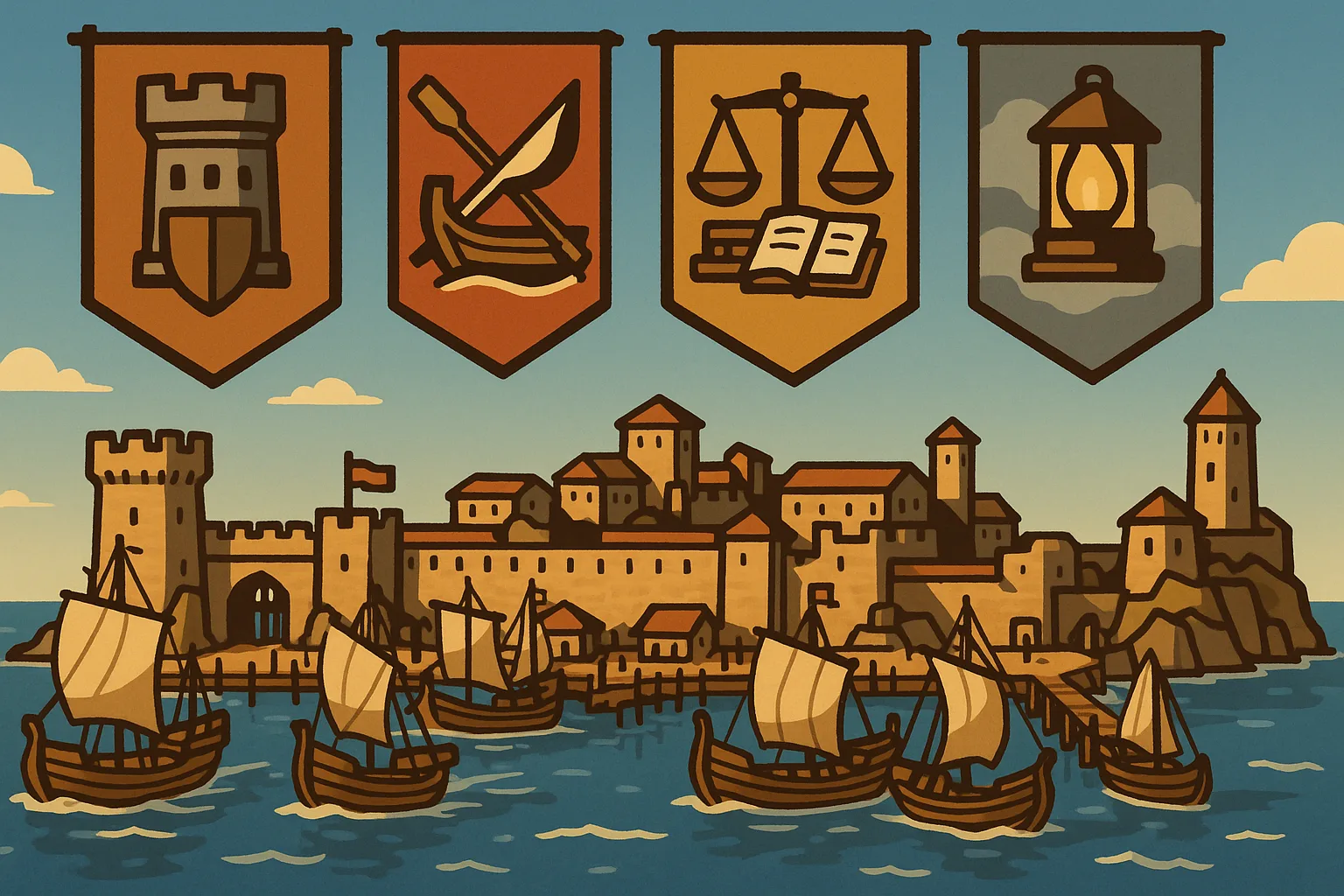
Island Stewards: seat one officer for life at Dominion and take an island past level 20
Seat a steward on a Dominion island: one officer for life who takes it past level 20 and rises from Reeve to High Steward.
Every wave of new players tests the game the last wave helped me fix
Every marketing push brings a wave of vocal players who help build the game, then rotate out around mid-game. Six months of data on the pattern.
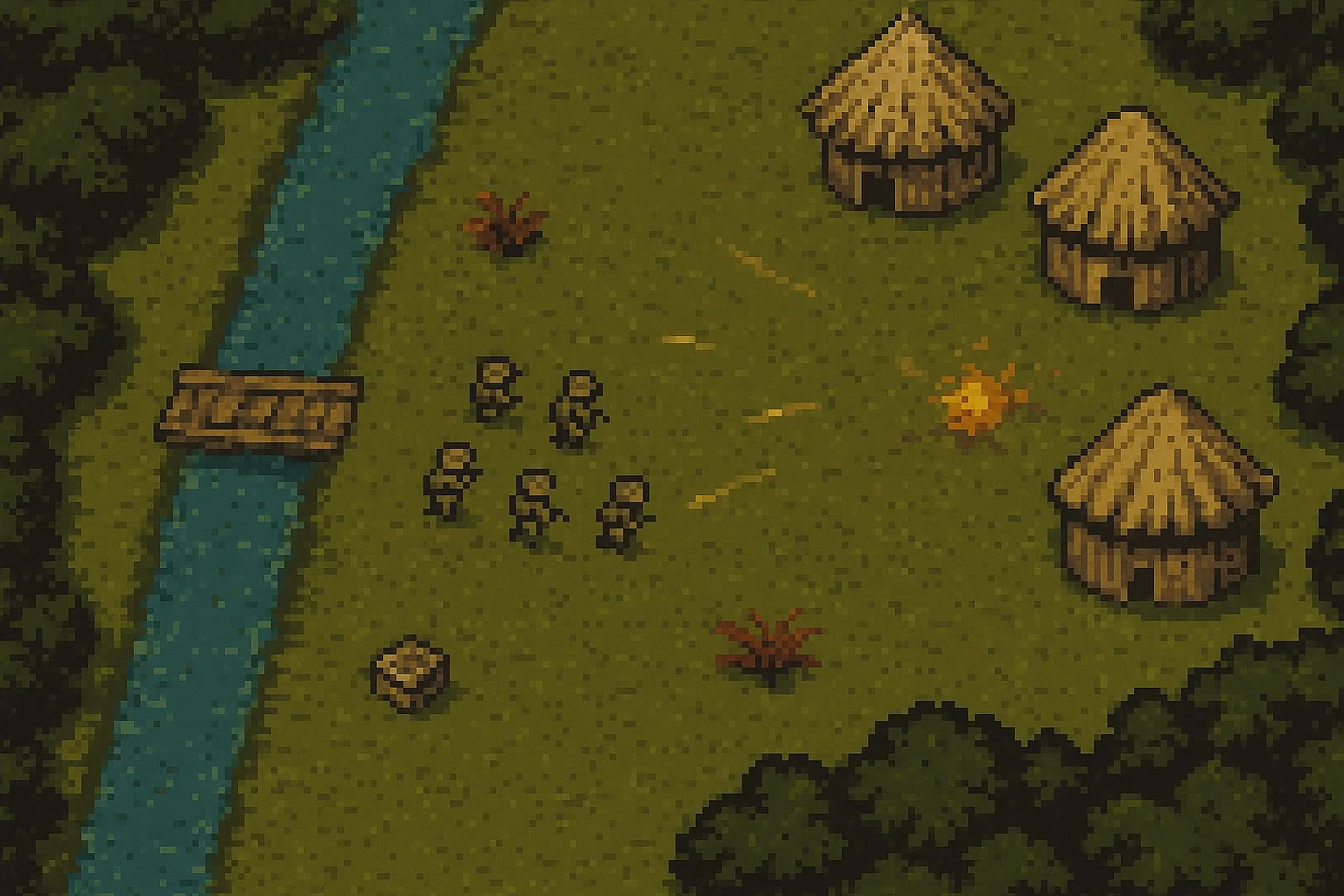
Building a Cannon Fodder style browser game with AI in ten days
I started a second game from an empty folder to see if the way I build Inselnova still works without Inselnova's harness. Ten days, 721 commits and 62 Claude Code sessions later, Boots & Bullets is a playable demo with fifty missions, multiplayer and its own analytics, and the harness had to be rebuilt from scratch alongside it.

ChatGPT is one feature away from replacing Slack
Slack isn't dying, and I still think ChatGPT replaces it. A ChatGPT thread is already one person short of a Slack channel, and once the other people get let in, the conversation with the AI becomes the place work happens.
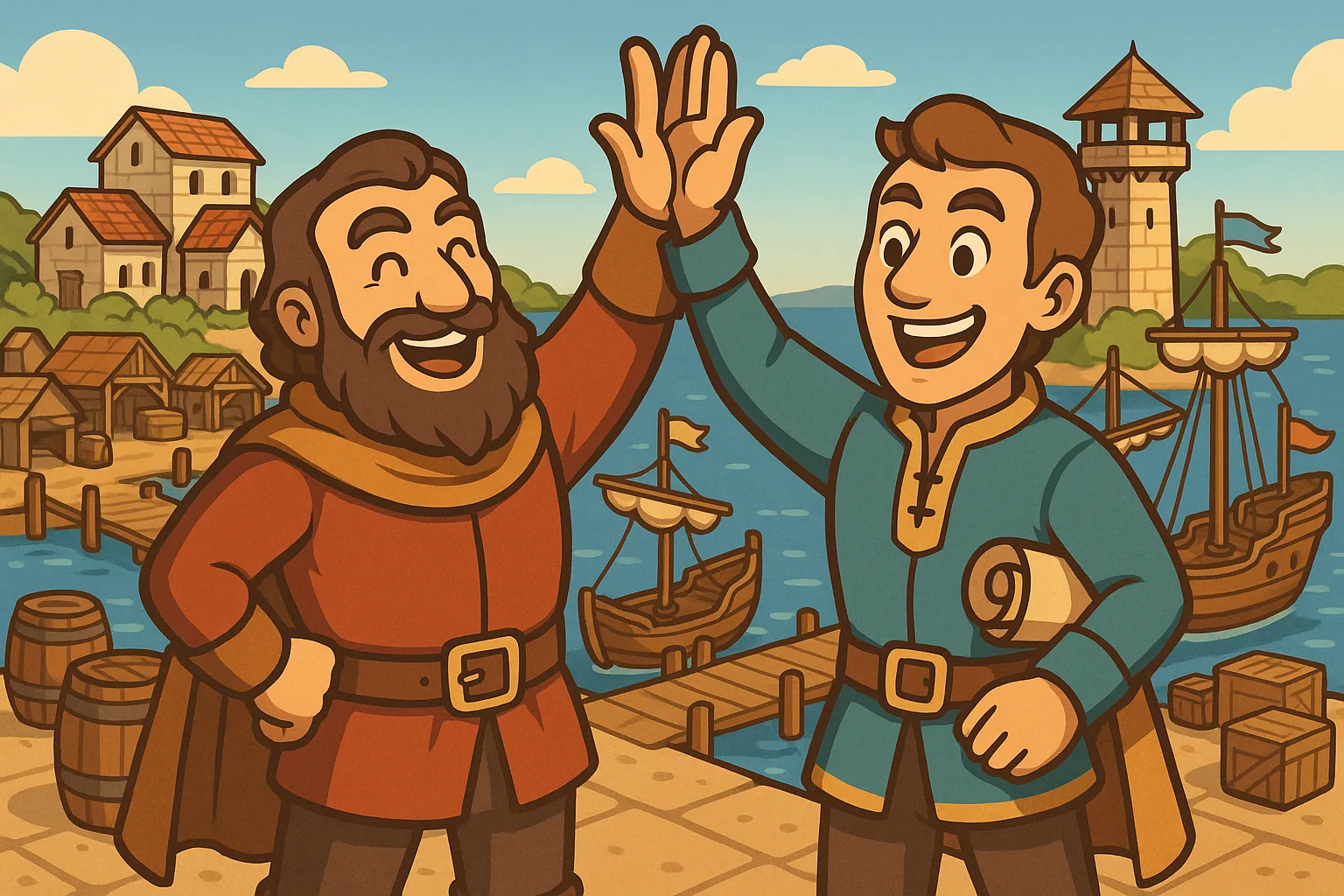
Your island sits in the water, plunder reports name the fix, and routes mind themselves
A quality of life pass across the daily game: the island you look at every session, the reports you read, and the chores in between.
The tick engine behind Inselnova: one loop, no resource writes
How Inselnova runs a persistent world on one 1-second loop and computes resources on read instead of writing them to the database on a timer.
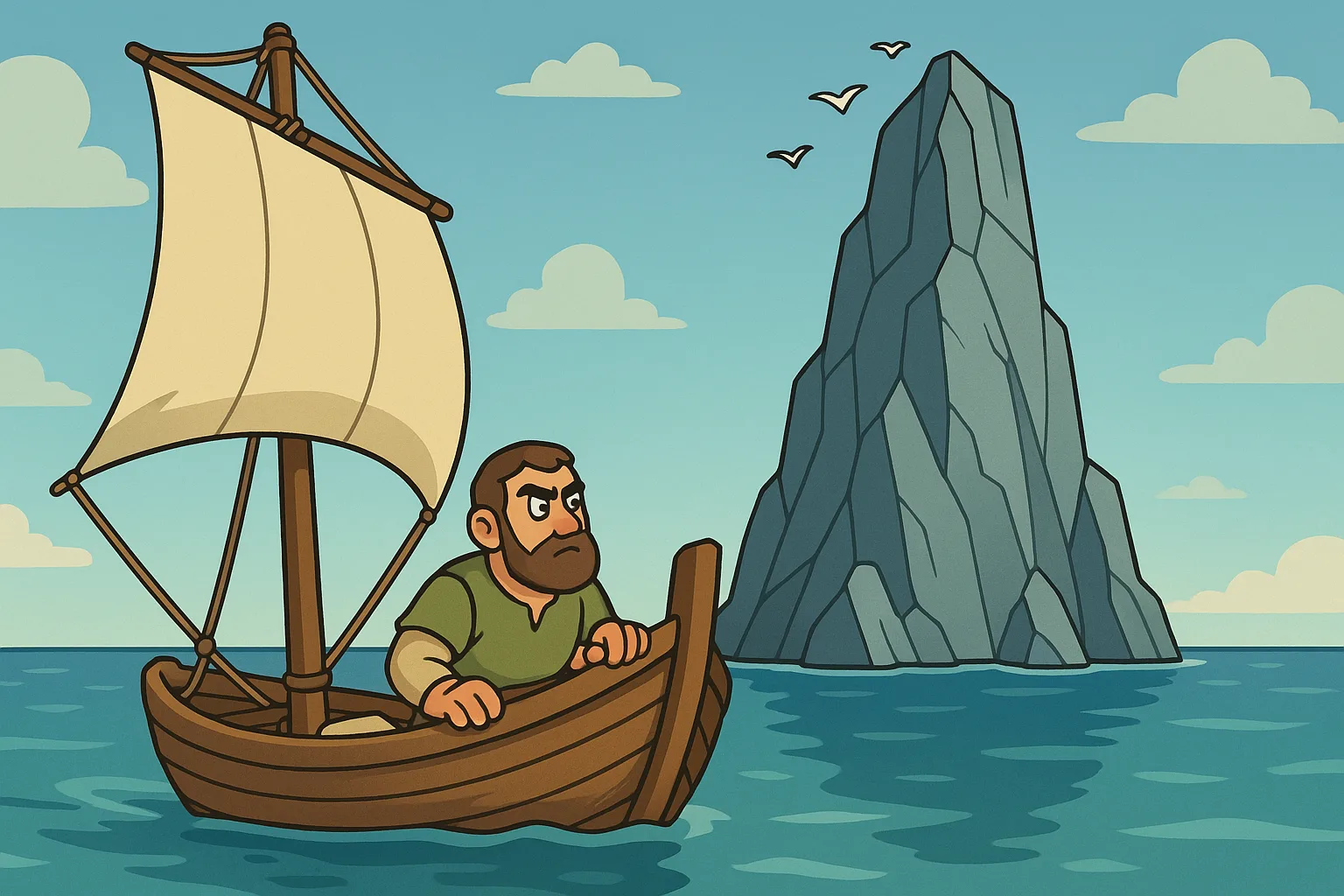
Clearing a Black Tide island takes a siege, the Chronicle stops repeating itself, and named rocks in the open sea
One fleet no longer clears a Tide island. The paper stops reusing its own phrases. Named stone now stands in every stretch of water.
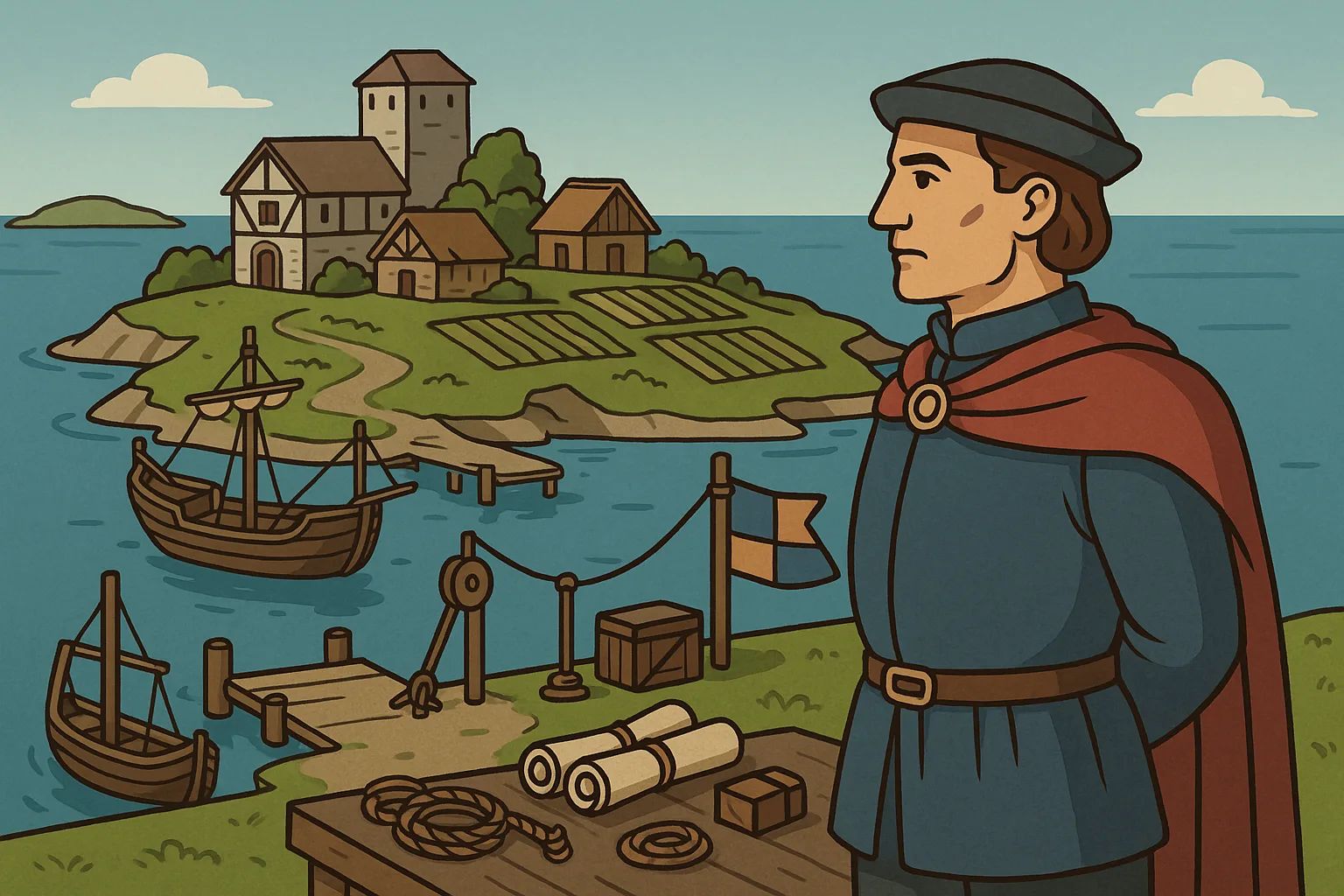
Six months building a game with AI, after never finishing one before
A retrospective on building a deep multiplayer browser strategy game with AI, from a web developer who had never finished a game, and what it taught me.
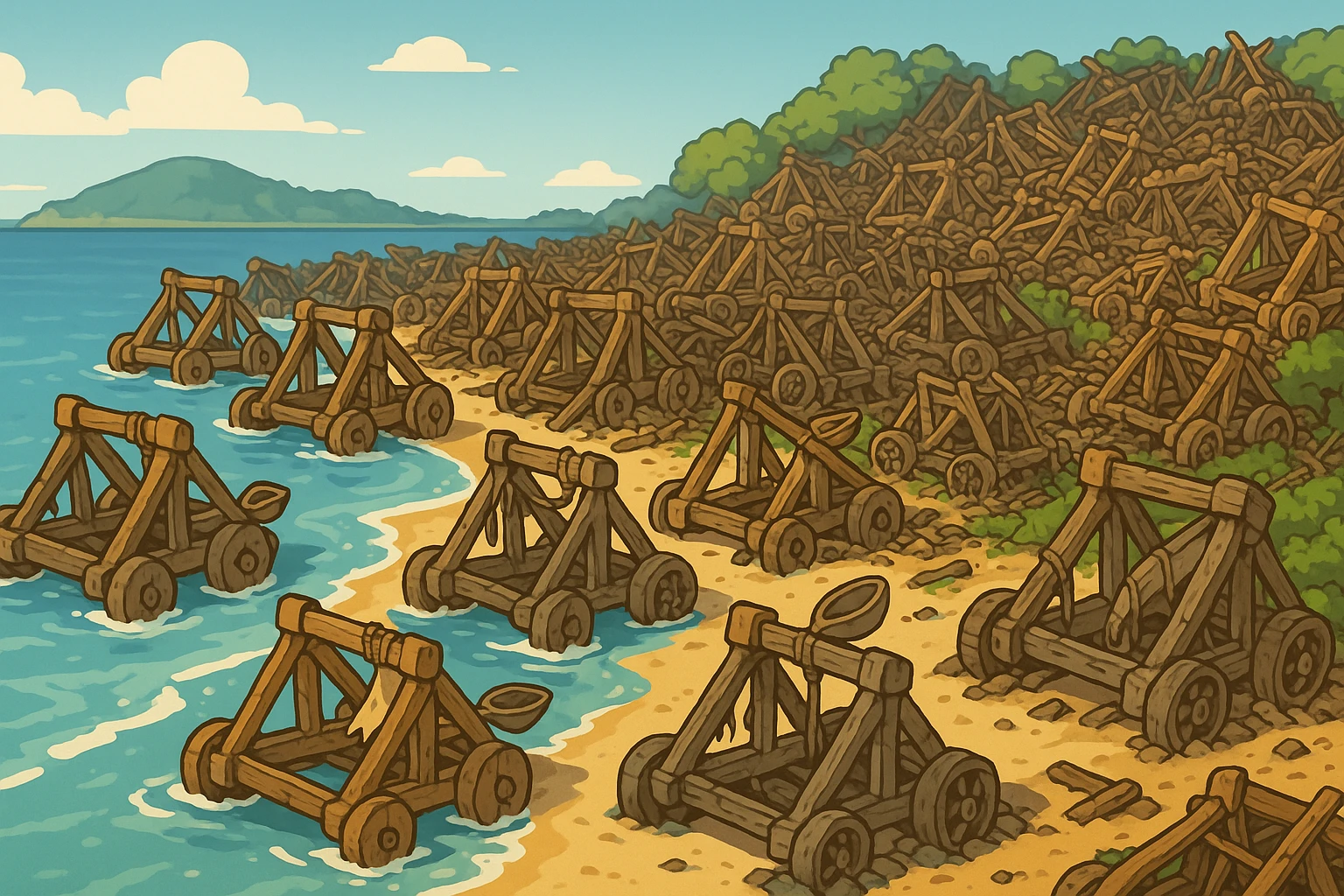
Break up the ships you cannot berth, a siege rebalance, and a long list of fixes
Your yards will break up ships and war engines for a quarter of their materials back, siege cost is flat again, and a long list of fixes.
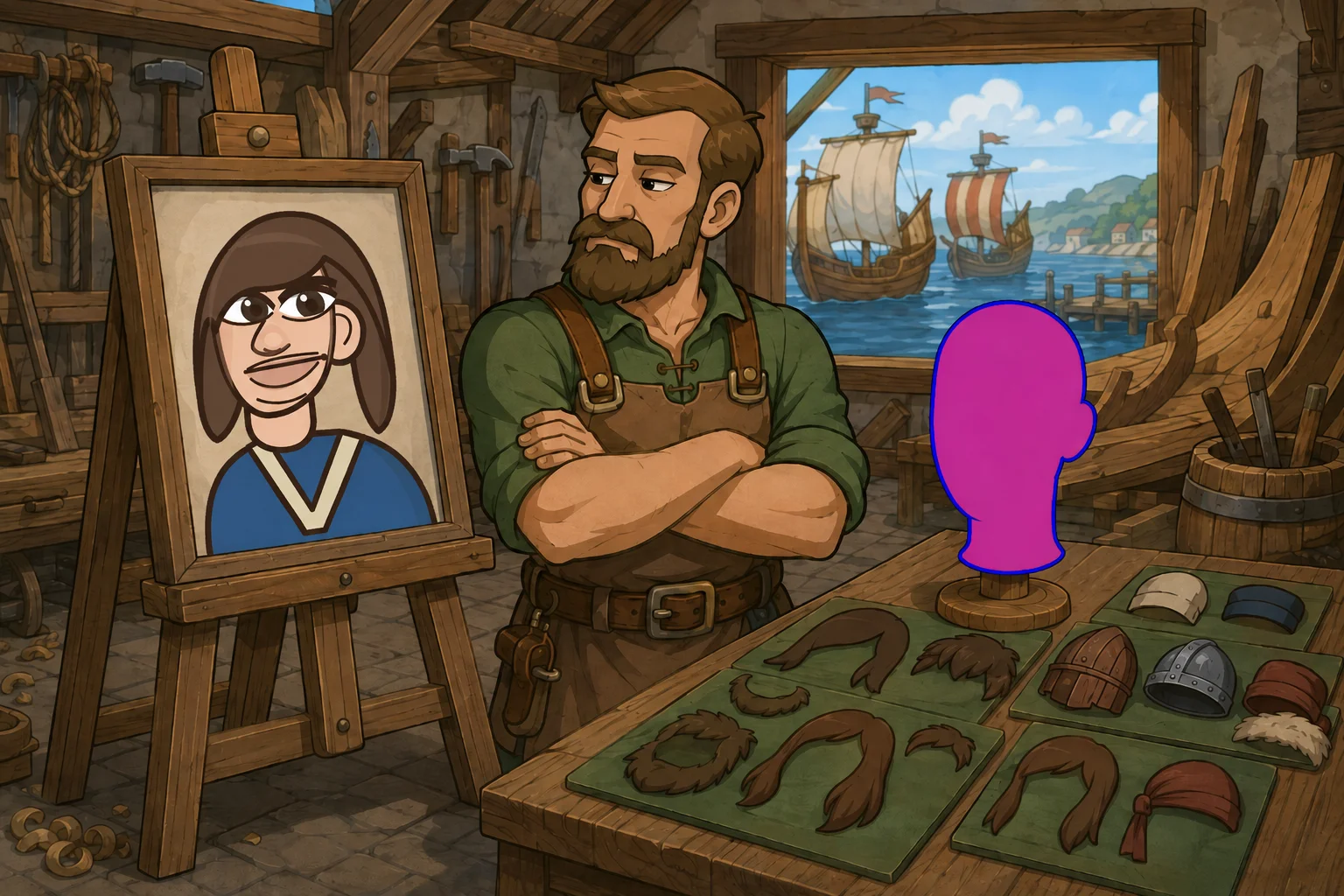
Building a character creator out of AI art in a day
Inselnova has eight fixed avatars and the next version needs far more faces than that. Here is the chroma-key pipeline that turned AI-generated sheets into a character creator for a browser strategy game, the two implementations it cost, and what the whole run billed.
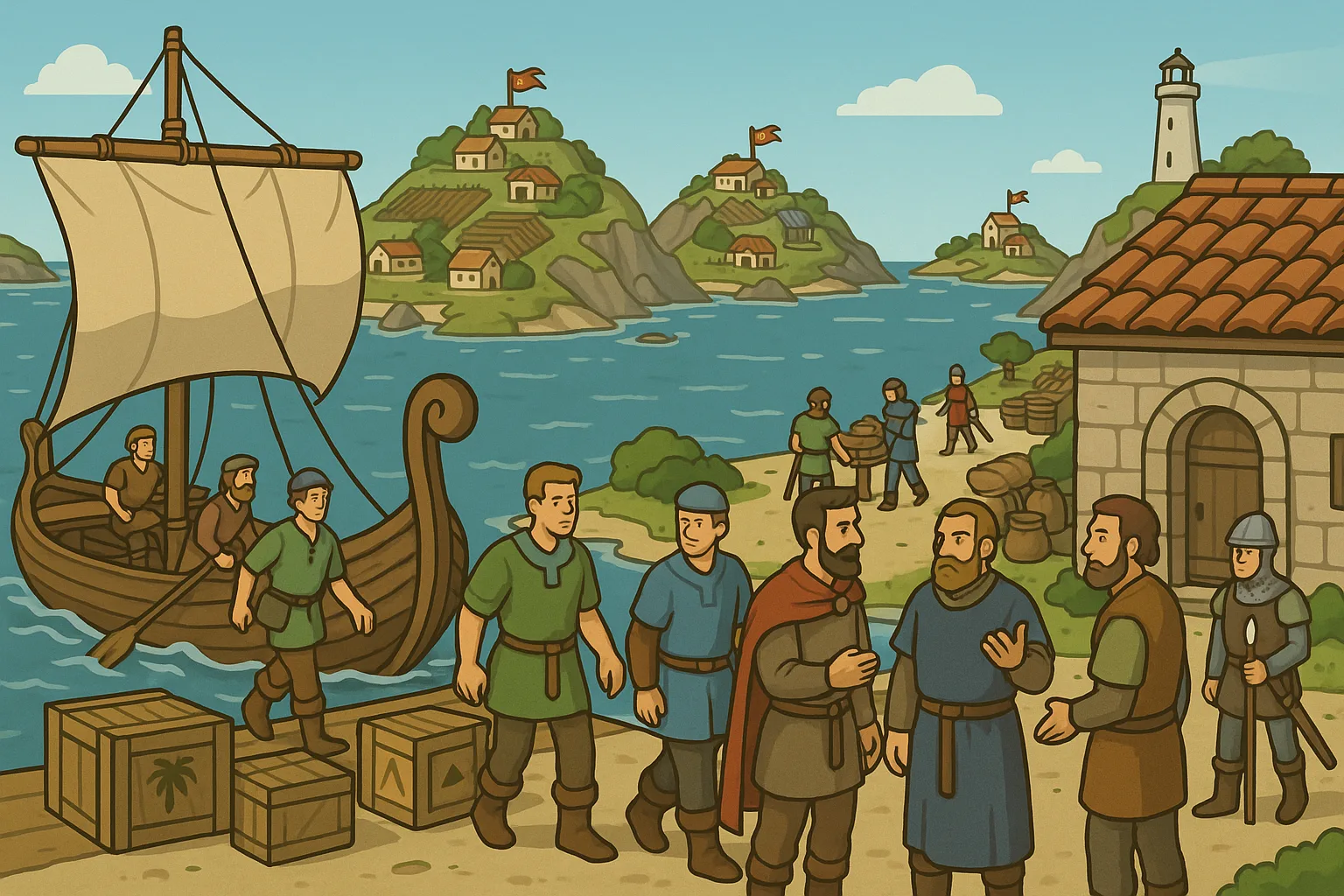
A thousand governors in, here's who stayed and where Inselnova goes next
Six months and just over a thousand governors into Inselnova, a browser strategy game: who actually stayed, how search quietly became a steady source of players while I wasn't marketing, and the three-stage plan from here.
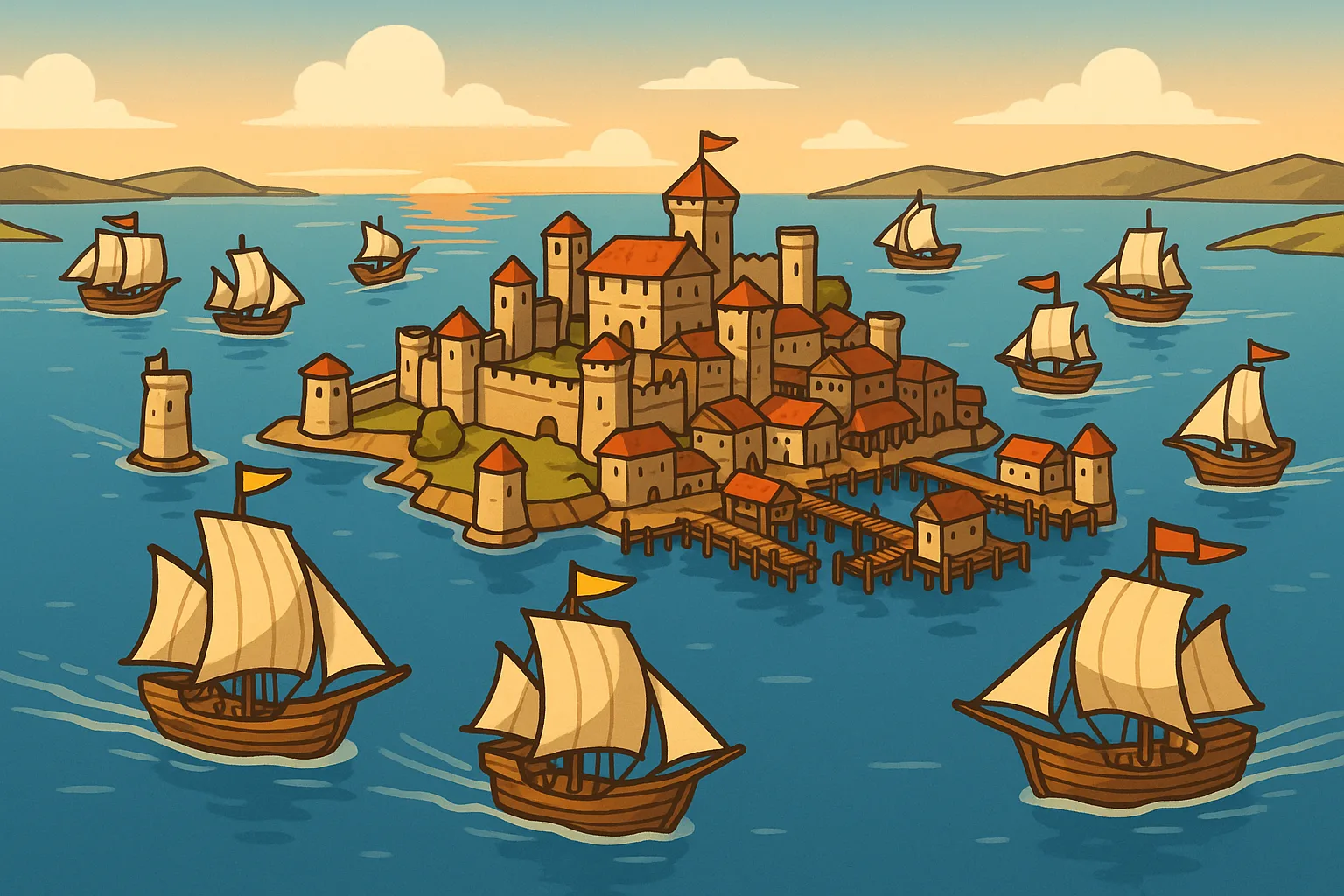
Combined attacks. Muster fleets from every harbour you hold, land them as one, strike under your alliance's banner
Send fleets from several islands at one target so they land together, then commit yours to an alliance strike that sails on an officer's order.
Supply routes run themselves, research becomes a tree you climb, and your world prints a daily newspaper
Set a shipment between two islands once and a crew loops it for you. Research becomes a climbing tree, and your world prints its own daily paper.
I used to debug my own code in my head. A year of building with AI took that away.
After a year of AI-assisted development, I've lost the thing I was proudest of: being able to debug my own code in my head. On the trade behind it, and what it quietly costs.
Running multiple AI coding agents at once burned me out until I built a system for it
Most people run AI one agent at a time, which wastes their time. I pushed to four and the cognitive switching burned me out. Here's the system that made running multiple AI coding agents work: every session starts from a ticket, a small /now-what skill catches me up, and the work is split across separate editors.
Conquest, loosened. Capture any rival's colony, punch up without losing your whole fleet
Capture or liberate any rival colony regardless of login, survive punching up, and watch the sea come alive.
I ask AI for a failing test before I build a feature. I've got more than 5,000 now and I'm not sure that's healthy.
I build Inselnova test-first: ask AI for a failing test, then let it code until green. Better code, but 5,000 AI-written tests get slow and brittle.
What's next for Inselnova, and why
After months on the mid-game, players who reach the late game keep asking what they're playing toward. The old browser strategy games answered that with a server reset. I'm building a real end-game instead: a second world you choose to sail into.
Claim an ocean, and whoever lives there decides. Alliance Council votes, new tavern games, a plunder rebalance, and your realm's Identity
Claim a stretch of open ocean and let its residents vote it yours, raise motions in the new Alliance Council, and feel a rebalanced plunder game.
The AI skills behind Inselnova
A tour of the Claude Code skills I use to build a browser strategy game, in the order I actually run them: scope a ticket, balance the economy, check the cascade, write a failing test, ship the version.
How to use AI coding skills: less typing, fewer bugs, repeatable results
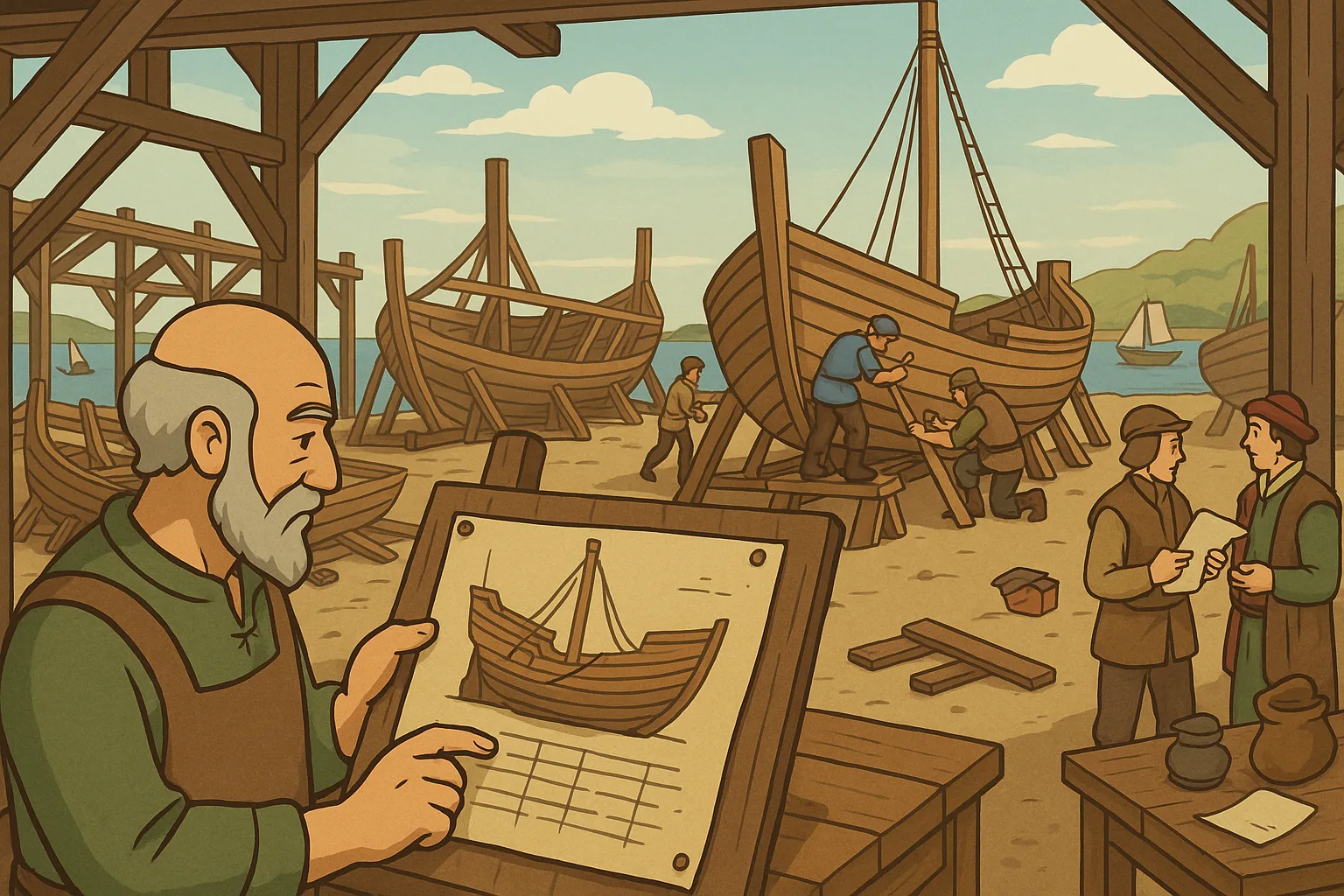
How to write and chain AI coding skills so a coding agent works your way: less typing, fewer bugs, and repeatable results instead of guesswork.
From daily releases to weekly
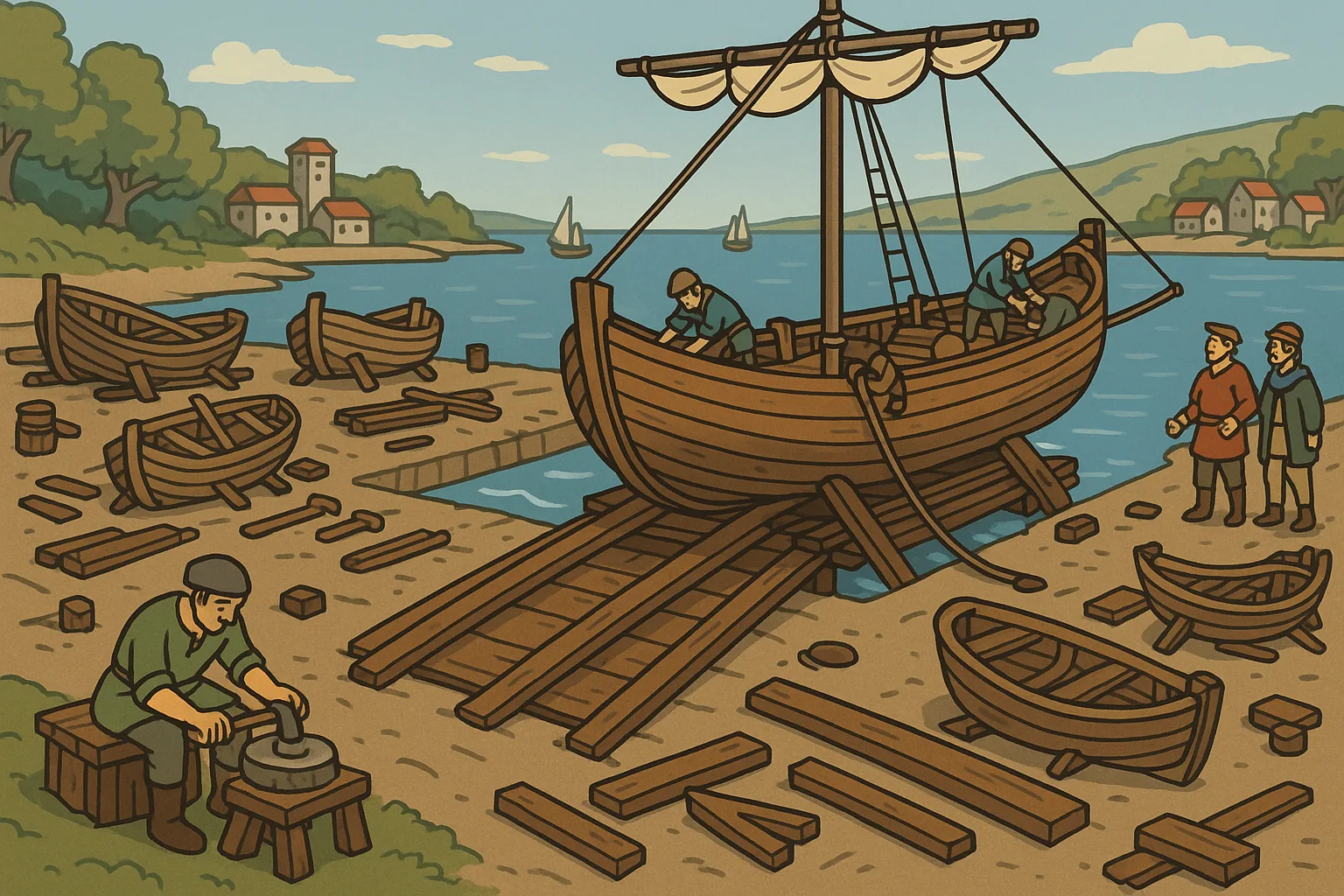
How a project shifts from feature factory to steady, tested releases once real users arrive, shown in a browser strategy game with real numbers.
Call for Aid. Raise the alarm, garrison your allies, climb six alliance ranks
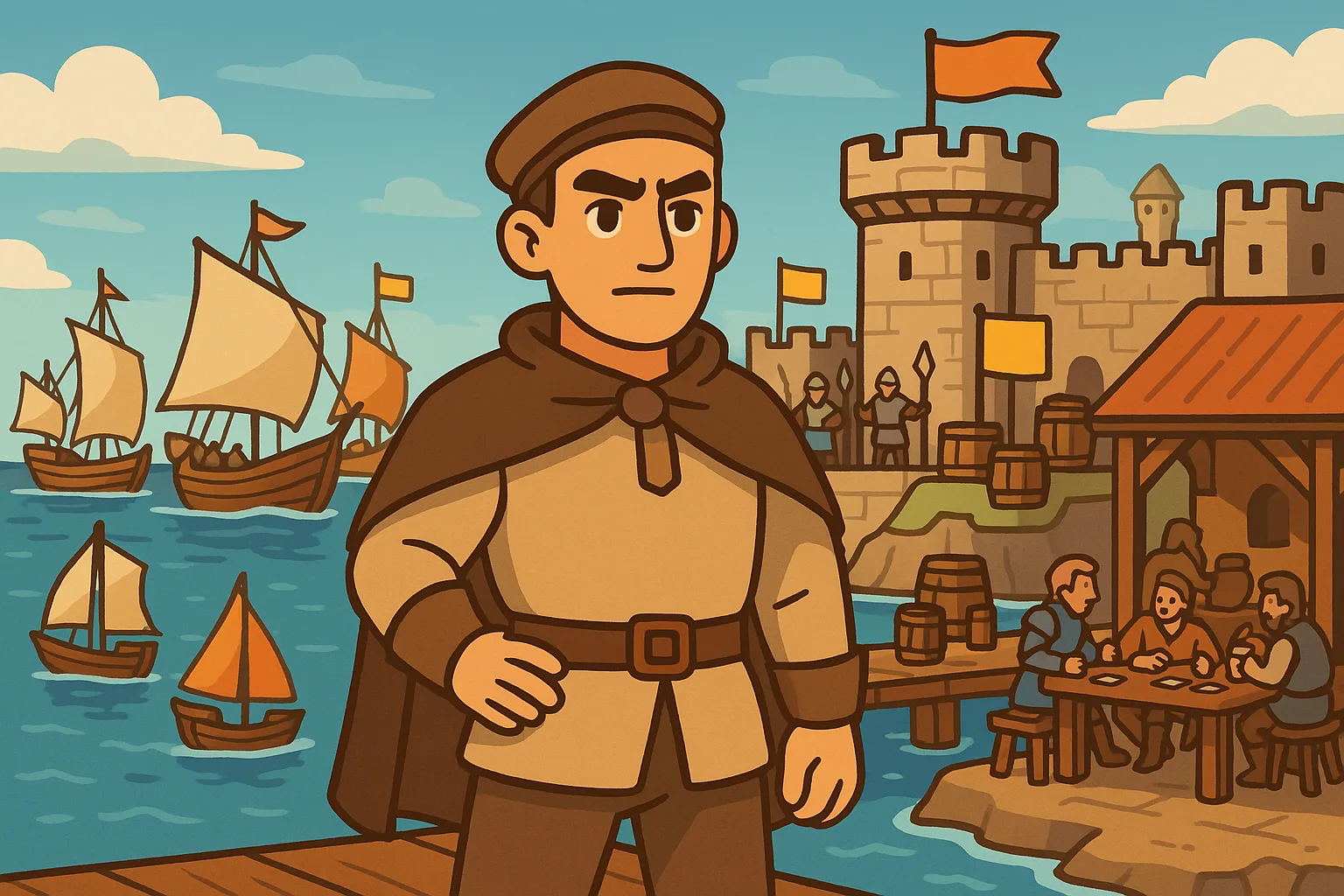
Raise a Call for Aid and your alliance sails to defend you. Alliances now climb six ranks, and the new Tavern deals games of nerve.
War at sea. Raise a patrol to guard your waters, blockade enemy convoys, spot raiders from your Watch Tower
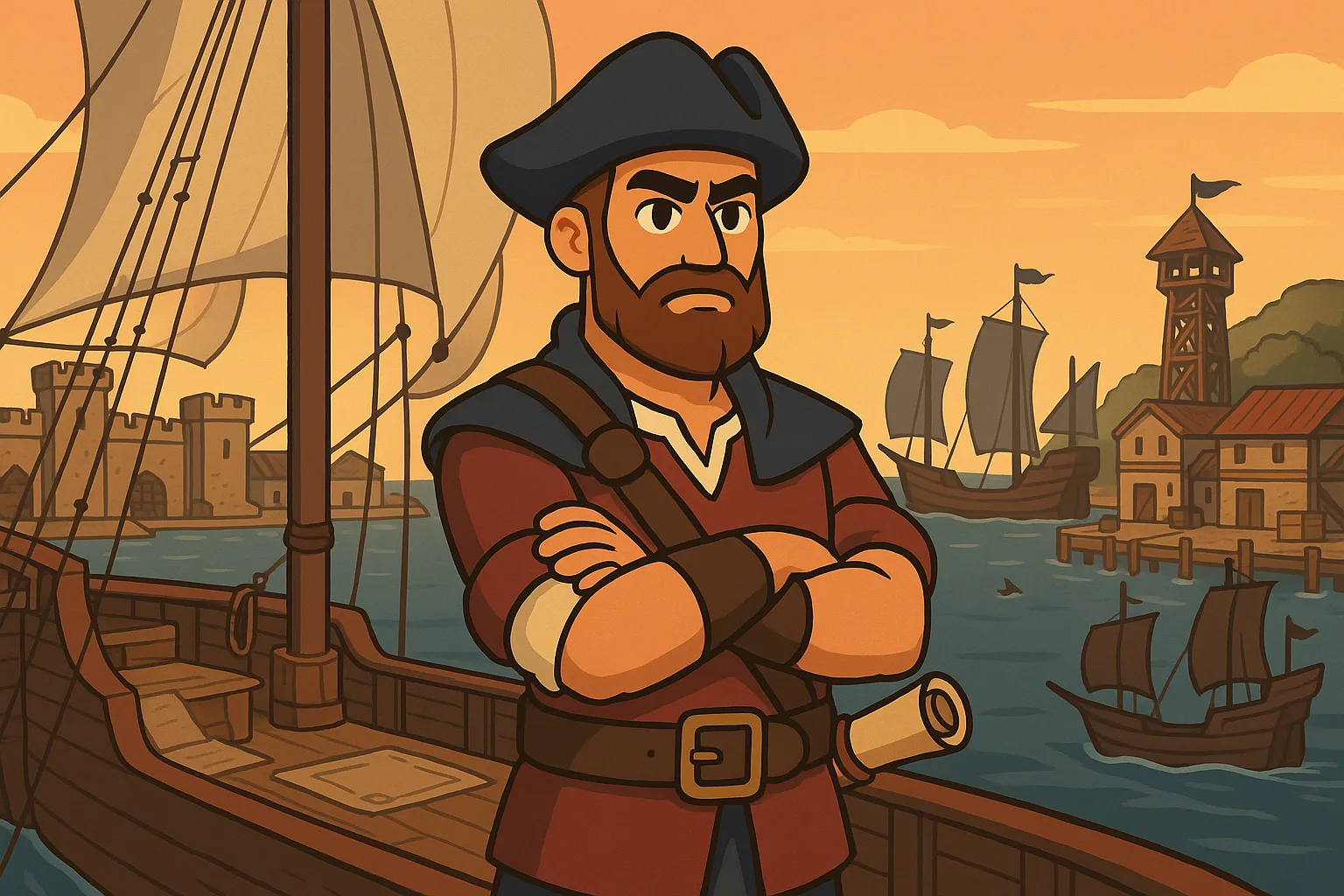
Three new ways to fight at sea: raise a patrol to guard your waters, blockade enemy convoys, and read raiders off your Watch Tower.
I stopped building dashboards and started asking my database questions. SaaS is about to do the same.
I ask AI to investigate my game's database instead of building dashboards. It changed how I think the end of SaaS plays out.
Get people in, read the data, change one thing, repeat. The loop behind five onboarding rebuilds.
I'd never built a game, so I started with a loop, not a plan. Five onboarding rebuilds, each one a data-driven experiment rather than a step on a roadmap.
Rob an enemy harbour by stealth, and your alliance levels up. Slip in for their stores, take on shared quests, earn alliance XP
A new stealth Plunder raid that slips into enemy harbours, plus alliances that earn XP from quests, raids, and just showing up.
My best players don't fade out, they vanish. Three months of data from my browser strategy game.
Three months of live data on the players who quit my browser strategy game mid-game. The most invested ones don't fade out, they stop all at once.
Your harbour now sets your fleet's limit. Count your berths, plunder for double score, prise open a sealed sea-crate
Your harbour now caps how many ships an island can hold, plundering counts double, and Tideline Finds wash ashore as a sealed sea-crate.
Codex writes better code than Claude Code. I moved everything back to Claude Code anyway.
Codex writes better code, but after months running both I moved everything back to Claude Code. The difference is iteration size, not quality.
I can't tell if my browser strategy game is finished. I don't have enough players to know.
Why I've been shipping features into my multiplayer browser strategy game out of fear, what my retention numbers do and don't tell me, and why the game doesn't know what it is yet.
Browser games are easy to build now. The hard part is deciding what they should be.
There's talk of an indie golden age. The barrier to making an old-school browser strategy game has fallen away, so they're everywhere. That was never the hard part. The hard part is deciding what to build.

I run an AI loop workflow to fix my own bugs. I won't run one to build features yet.
My AI loop workflow finds, fixes, and proves bugs in my own systems. Here's how it works, what it needs to be safe, and the work I won't hand it.
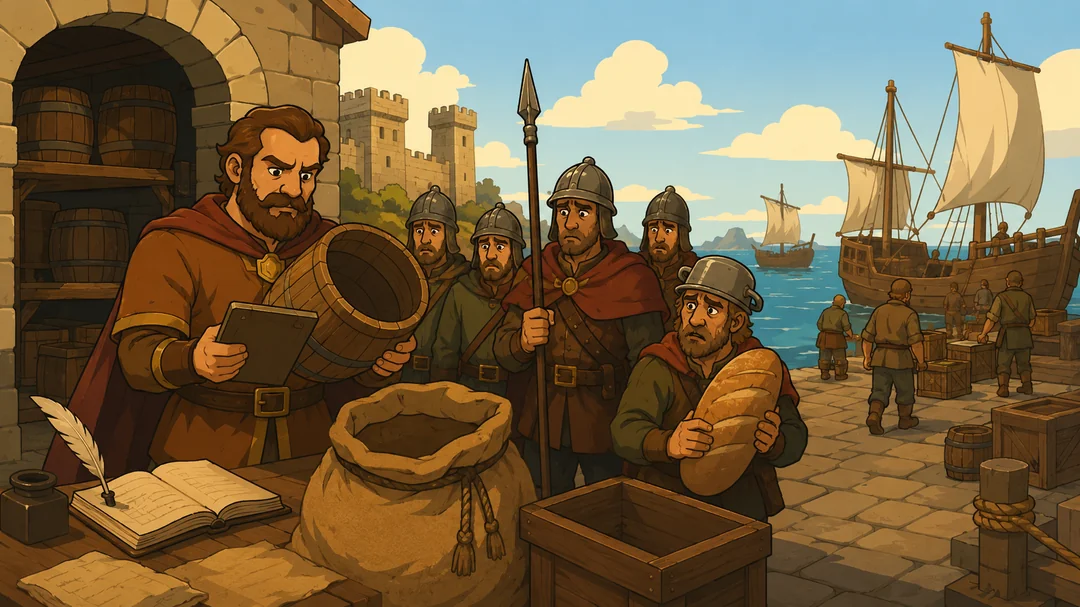
Empty granaries now starve the garrison, blessings sail with the fleet, every leaderboard climb hits the ticker
Let an island's food stores hit empty and the garrison starts to die, Colony rank and up, and blessings now count when the fleet lands.
Old-school browser games are coming back. They're not clones, it's a genre.
A wave of new browser games look like the old ones, and people call them clones. It's a genre, the same way Minecraft clones became survival-crafting.
I cloned a game-marketing expert into an AI skill. The trick was priming, not prompting.
I built an AI marketing mentor by priming three chatbots and letting Claude Code distil the output into a reusable skill. The trick is priming.
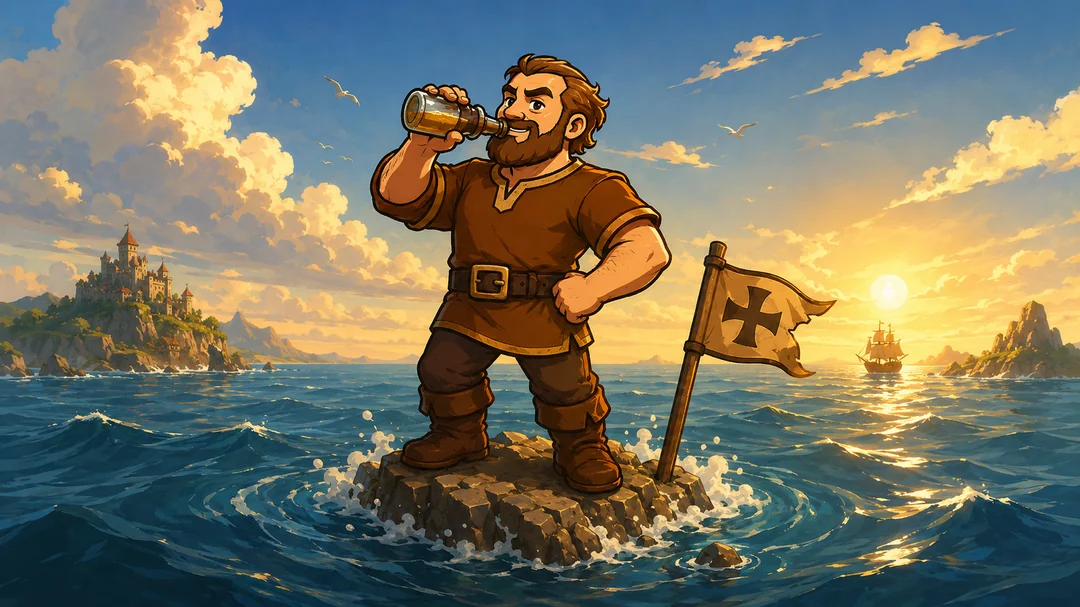
King of the Tide, and goods that buy speed. Hold an island that drowns your garrison, spend goods to rush any build or training, ship lumen without losing it
A new alliance event where the island sinks and drowns your troops, goods that rush any job, and a safe way to ship lumen.
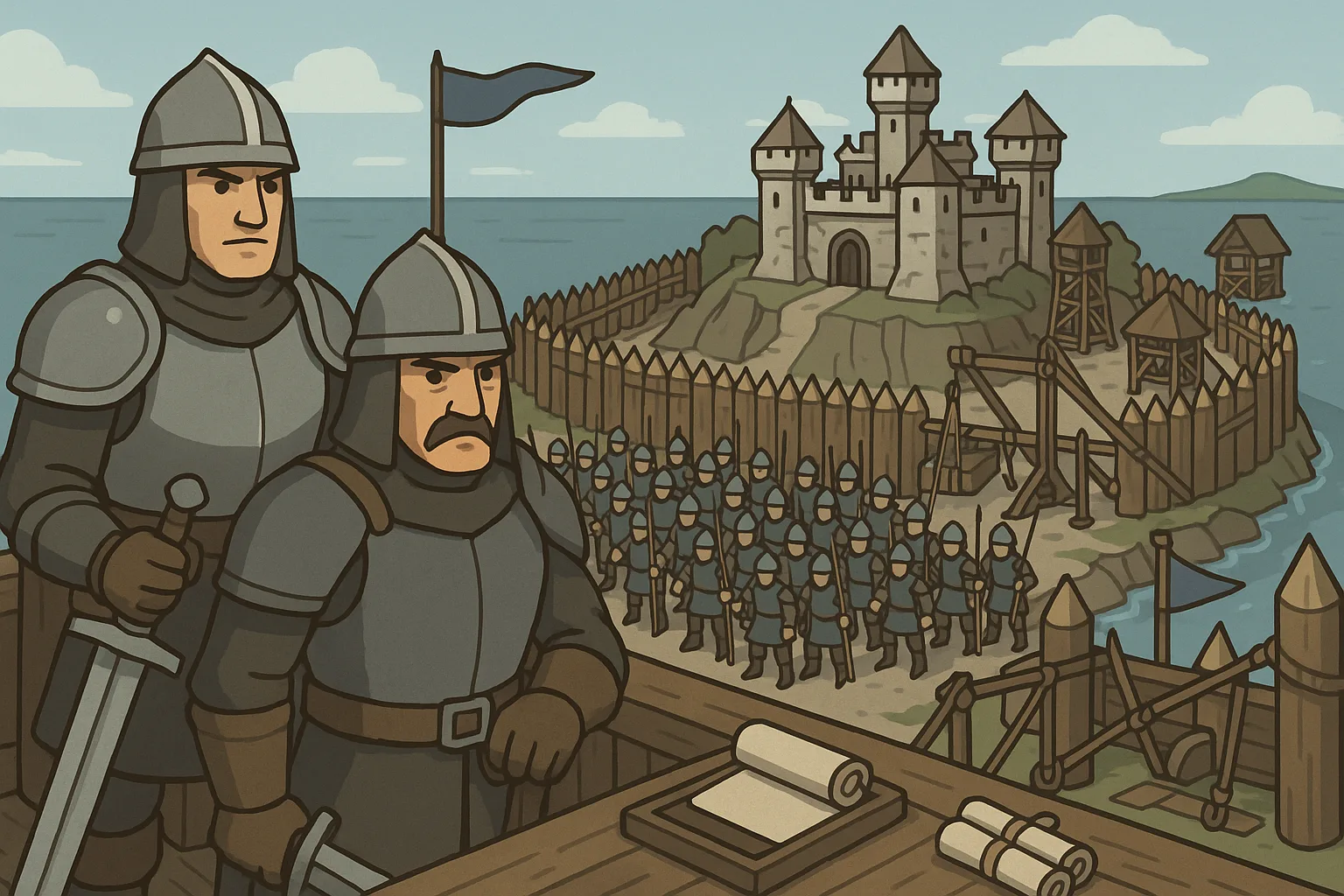
I built a king-of-the-hill event for my browser game. Two players locked it down in half an hour.
My king-of-the-hill event for a browser strategy game broke twice. One alliance walled off the islands in thirty minutes. What failed, and the fix.
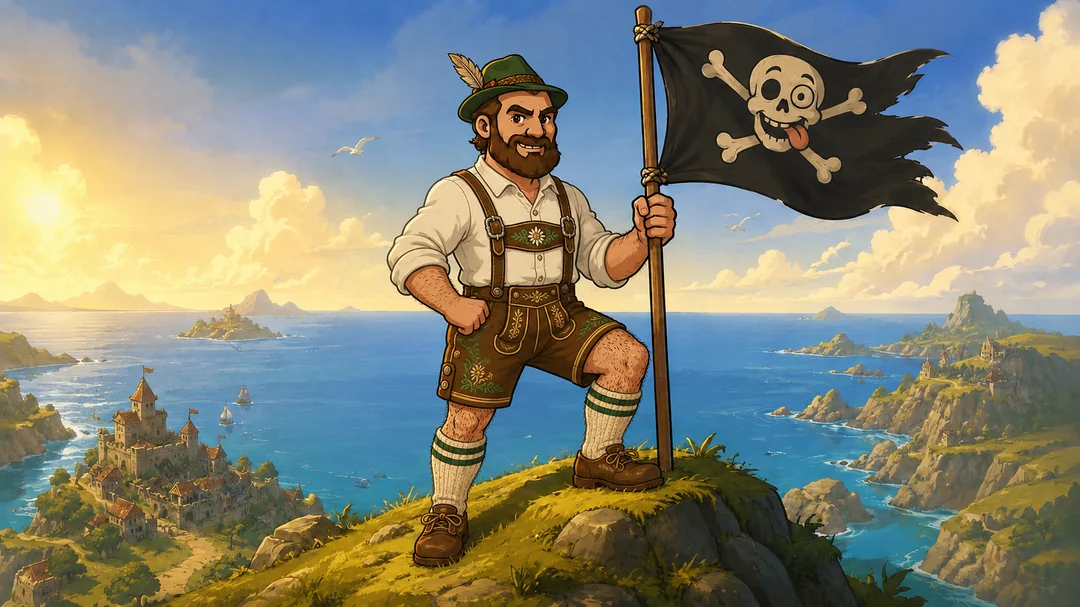
Inselnova now speaks German — and Korvath, the war god, is here
Inselnova now plays in German, and a new war god, Korvath, opens up the first time you raze an enemy island.
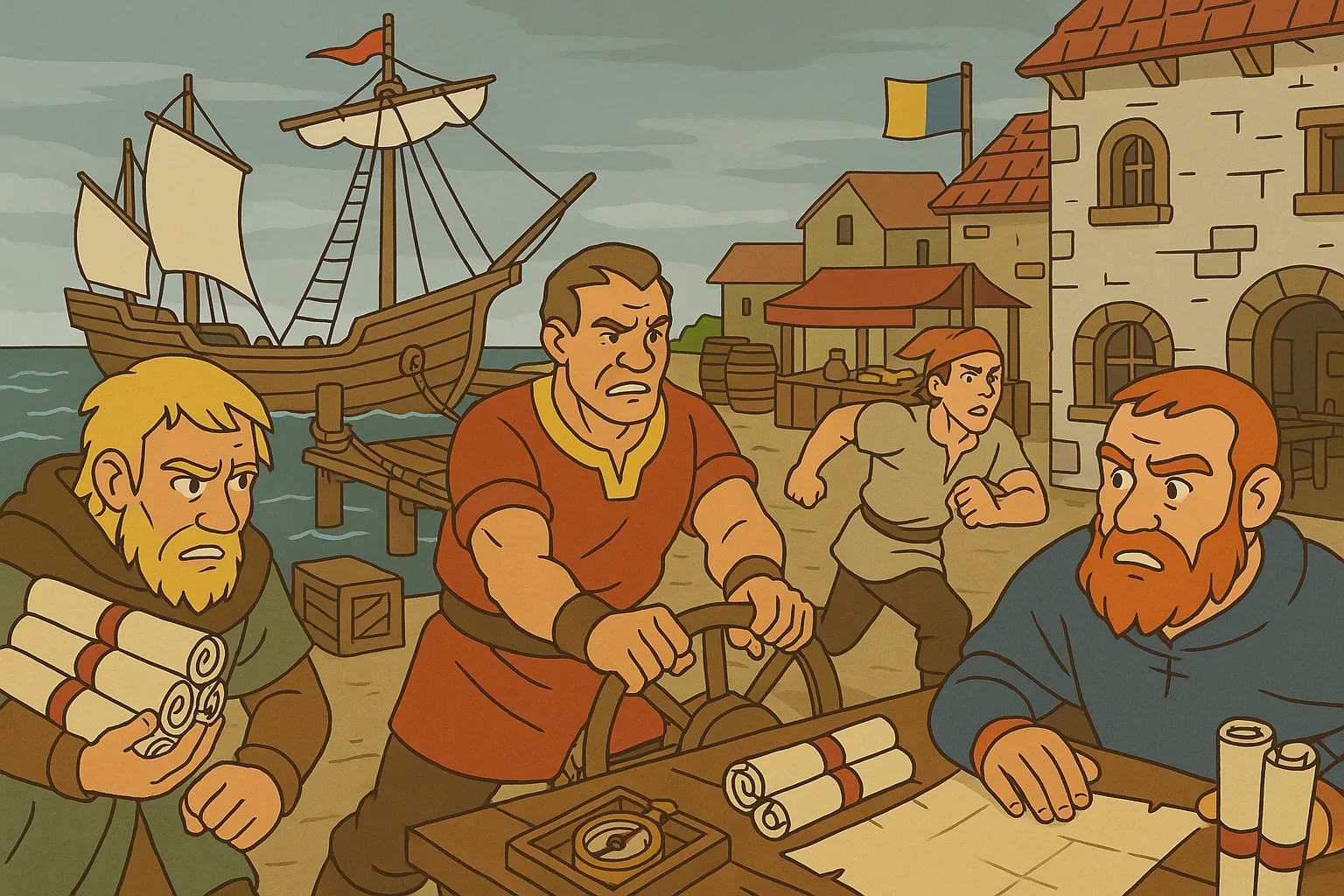
I sped my strategy game up to respect players' time. It backfired.
I sped up my browser strategy game to ask less of players. The survey said I'd done the opposite. Faster meant more check-ins, not fewer.
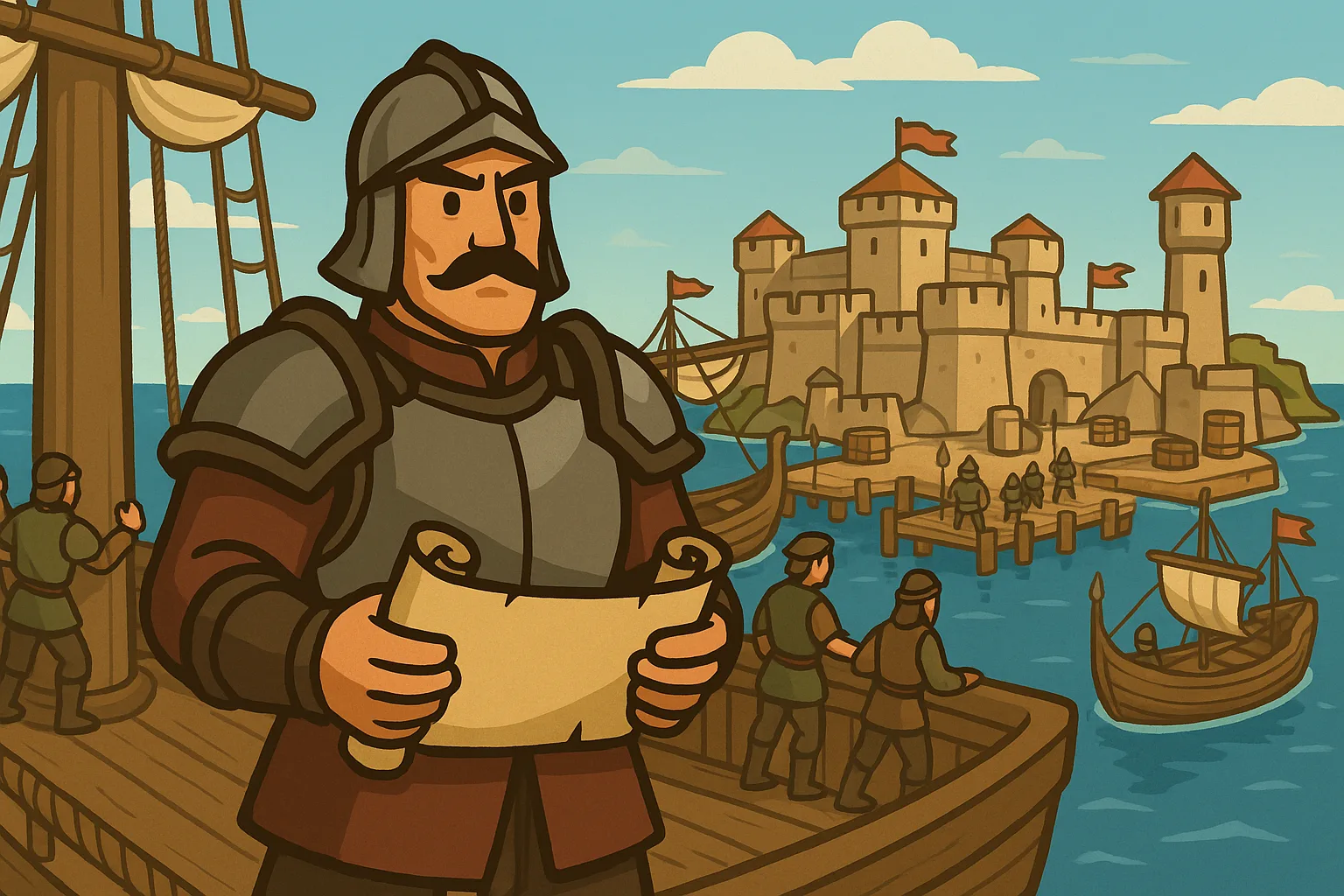
Fleet templates. Save a loadout, reload it in one tap, let combat auto-pick the escort
Save a send as a reusable fleet template and reload it to pre-fill the dispatch in a tap, plus a rebuilt Realm overview.
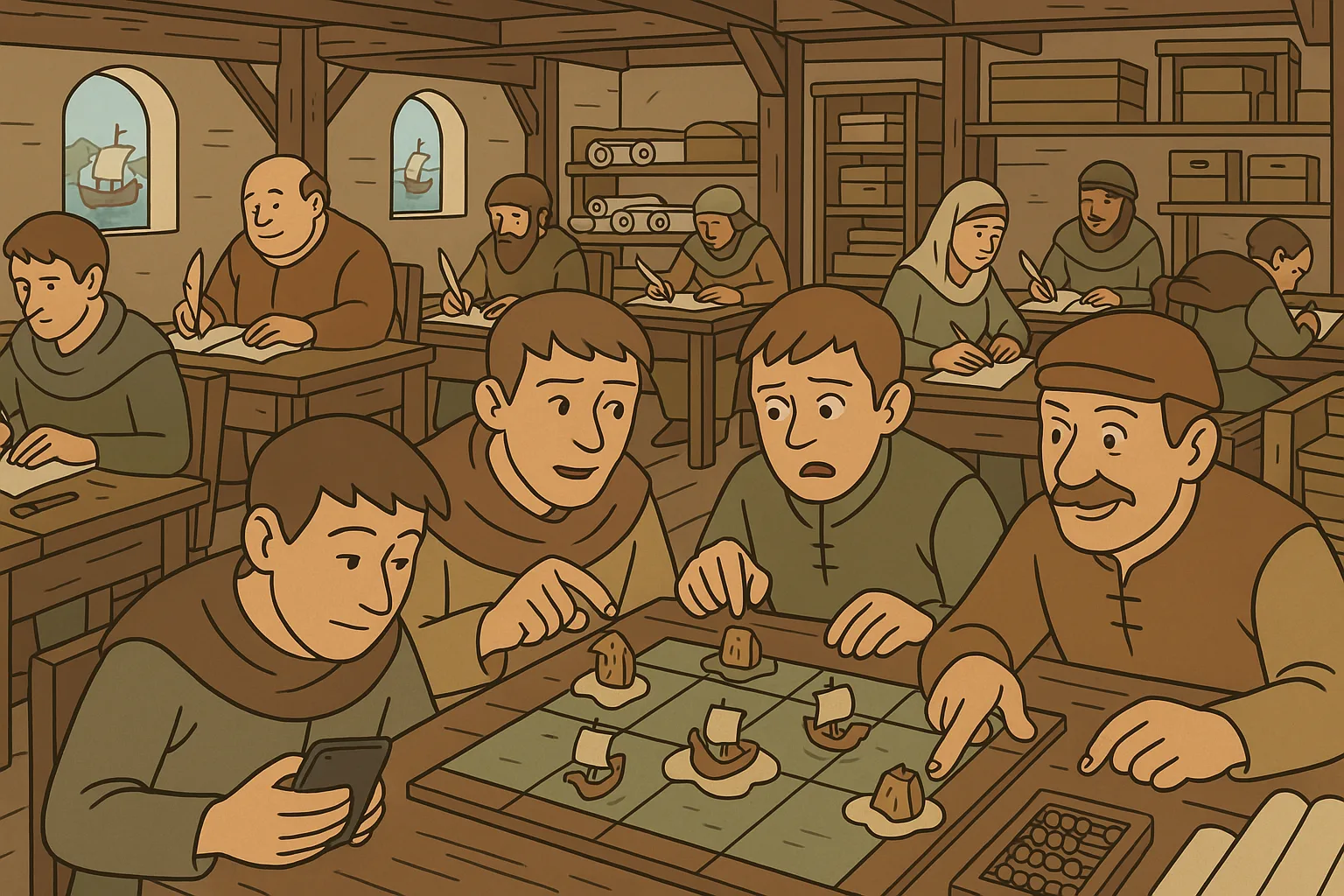
I built a strategy game you can fight your coworkers in, a few minutes a day
Most strategy games want your whole evening. Inselnova wants about five minutes, twice a day, in your browser. The fun part is getting a few coworkers in, so there's a quiet war running under the workday.
Governor's Morning Report. See what your realm did overnight, take what Brann finds on the shore, keep a Days of Rule streak going
A once-a-day Morning Report opens after time away, with overnight tallies, what Brann found on the shore, and a Days of Rule streak.
Wealth statues. Pick a monument, drip coin into it, climb the Wealthiest leaderboard
Raise a wealth statue at Main House 15, feed it coin to climb Bronze, Silver, and Gold, and rise up the new Wealthiest leaderboard.
Balance changes, flotsam salvage, fleet card redesign, Community tab
Sinking ships leave salvageable flotsam, a new Community tab, redesigned fleet cards, and a batch of economy balance changes.
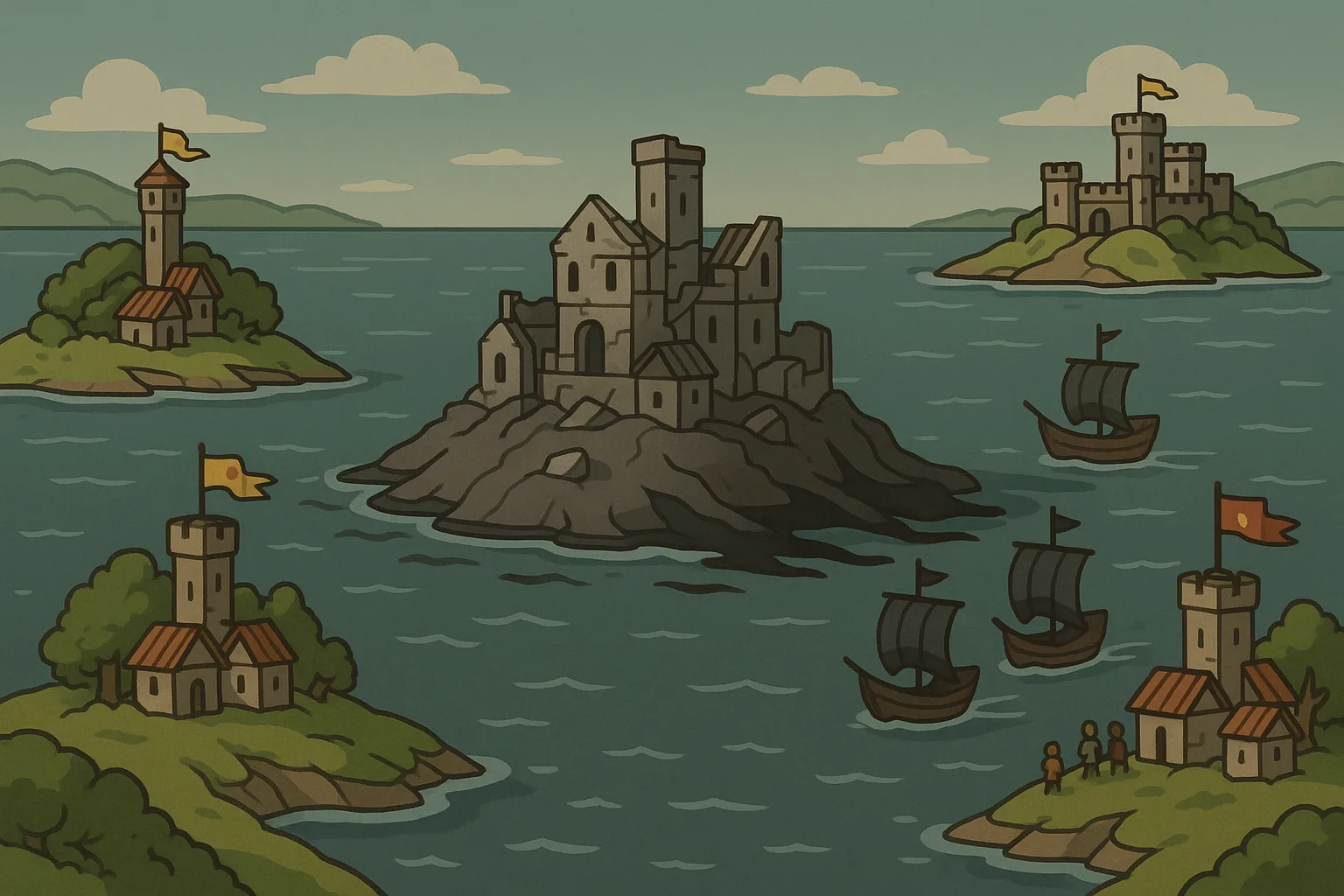
The strategy game that never resets: how the Black Tide cleans up after players who quit
Most persistent strategy games eventually wipe the world and start over. Inselnova never does. An NPC faction called the Black Tide takes over abandoned islands and attacks their neighbours, so the world cleans itself up instead of resetting.
Event improvements, live ledger and more
Hold contests get a live Ledger showing every attack, settlement, and capture as it happens, plus a new Events tab and Nyssa's Trade Wind rite.
The Black Tide is hoarding your lumen. Watch the hoard from your tower, raid them back, bring home a Blackened Idol
The Black Tide now raids your lumen and stashes it on its own islands. Watch the hoard from your tower, raid it back, and bring home a Blackened Idol.
Shutter your realm while you are away, and run your alliance from a shared war room
Close every island for up to 21 days so no one can raid you while you're gone, and run your alliance from a shared Operations war room.
Alliance Hold contests are live: take a contested island, hold it, bank the hours, your alliance wins
Alliances fight over contested islands, you can bless allies and your other islands, a lost realm gets a comeback start, and a new pirate hunt lands.
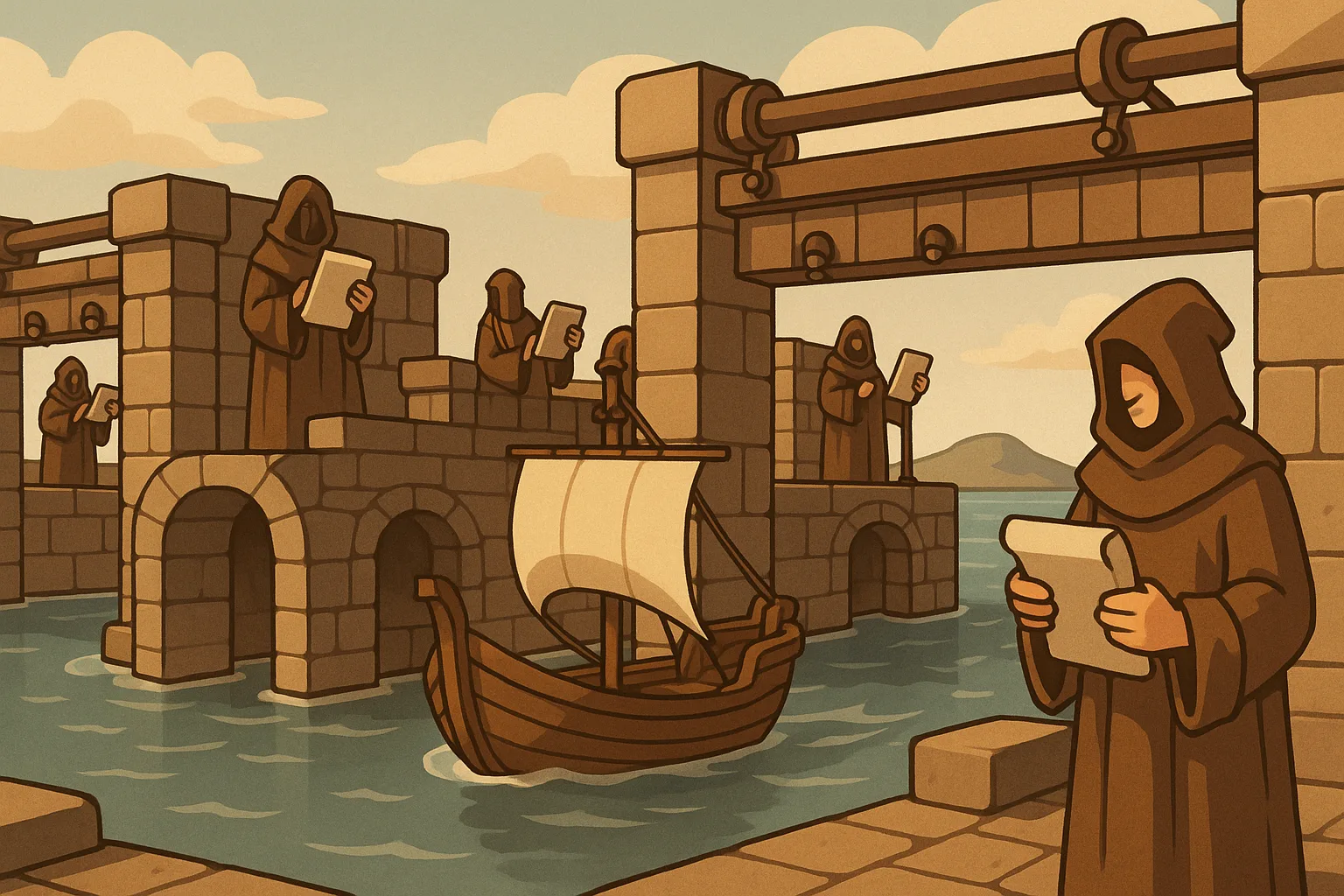
Building an AI harness around your app. Releases got slower. Hotfixes nearly stopped.
Inselnova is my first game, built solo with AI, three months live with real players. The AI is fast, and just as fast at shipping a mistake. The real work was the harness: a set of skills and gates every change has to pass before it reaches live.
Workshops are live: pick a trade, buy the blueprint, and start crafting
Workshops let your island pick a trade and craft its own goods, and seizing a Forsaken island now costs the same Expansion Stress as empty land.
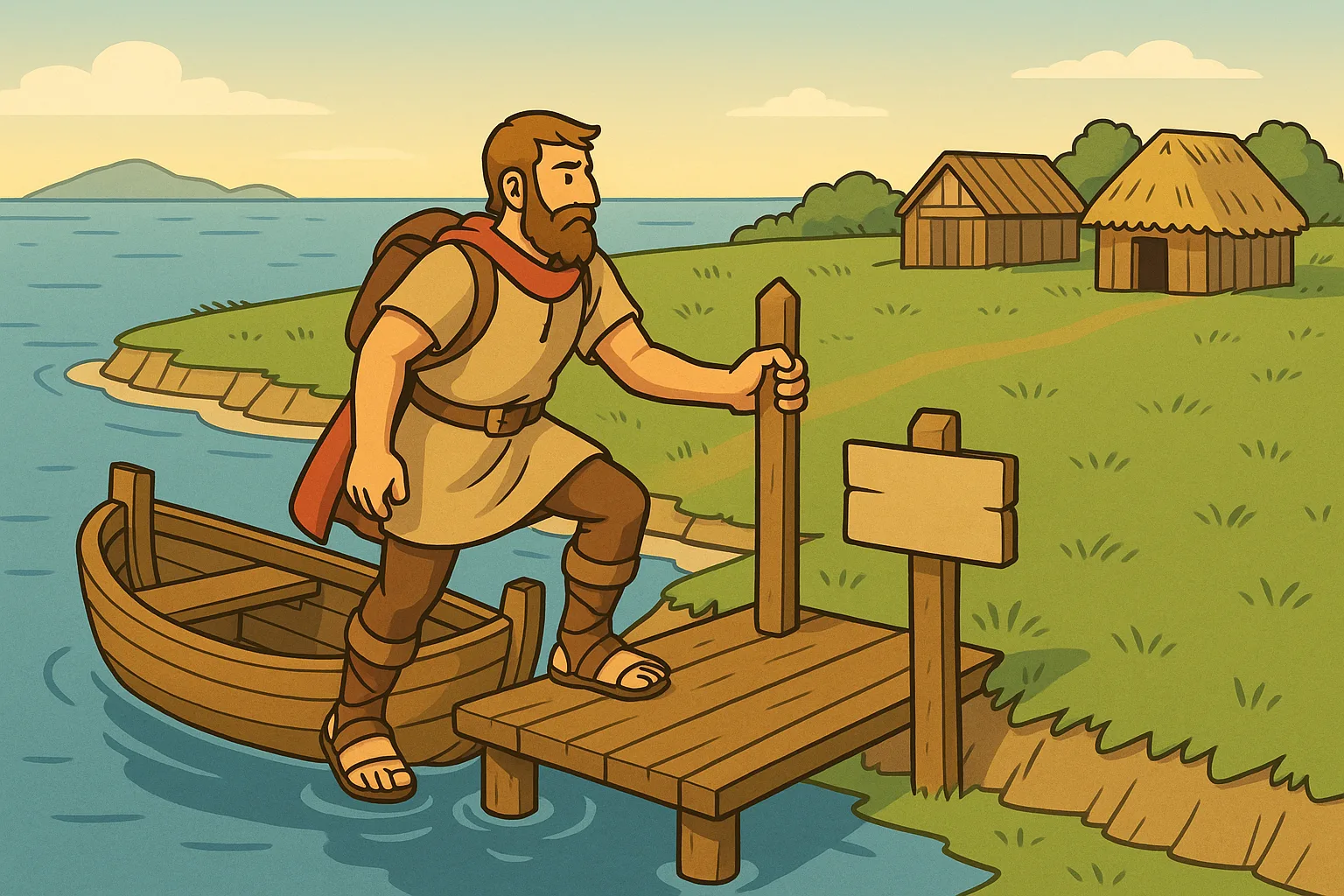
The first five minutes of my game, rebuilt five times
The early game is the gate to everything else, and too many new players weren't getting through it. Here's what five rebuilds of the first session in my browser strategy game taught me about where people stall and what actually keeps them.
I copied Inselkampf to start. Here's what I've added since.
Inselnova started as a copy of Inselkampf and has gone its own direction. A handful of additions came in: a bazaar, coins, council affairs, the Black Tide, a church with gods and a new resource called lumen, and a guildhall. Each one came from a real problem in the early or mid game. Here's the story behind each, and the rules that have crystallised along the way.
The audience came back 20 years older. The chaos is different now.
I built Inselnova because I wanted to build something. The audience that showed up is mostly returning Inselkampf players in their 40s. The early game feels slower for them than the original ever did. Here's what's pushing the next features in a different direction.
The player who asked to rename their island solved my virality problem
I had three ideas for getting players to invite friends. All three were wrong. A player's throwaway question gave me the right one — and it applies to alliance flags too.
How I Ship a Browser Strategy Game With Slash Commands and 12 Scripts
I replaced Trello with a custom tracker wired into my game's production database. Players report bugs from inside the game. AI skills in my editor wrap deterministic Node scripts for branching, committing, and deploying. If CI fails, the AI fixes it and retries. Here's how the whole release cycle connects.
What 150,000 Lines of AI-Generated TypeScript Actually Looks Like
Inselnova has 179,101 lines of TypeScript across 1,015 files and 1,272 commits. I didn't write most of it. Here's what that actually means, why it works at scale, and what the senior dev who quit at 150K lines got wrong.
How I Built a Dev Log Pipeline with AI in One Sitting
Sat down in Claude Cowork, dumped six weeks of raw notes about building a browser strategy game, and came out with 5 blog posts, a tone system, SEO integration, cover image generation, and a reusable skill. Here's how the pipeline works.
Blind Coding: My AI Workflow for Building a Game from My Phone
Built Inselnova's core gameplay loop on a road trip using Claude Code on mobile. Tests first, skill files for context, AGENTS.md as a living spec, plan mode to prevent scope creep. Three weeks in, one bad release.
Alliance banners, a watchtower command board, fleet logistics redrawn, and the first sign of the Black Tide
Alliance leaders can fly custom banners, a watchtower shows all your islands on one board, fleet logistics are redrawn, and the Black Tide appears.
Why Every Feature in Inselnova Connects to Something Else
Rebuilt a 25-year-old strategy game with a simple rule: nothing gets added unless it connects to something else. The gameplay loop that emerged extended the first session from 2-3 minutes to 10-20 minutes.
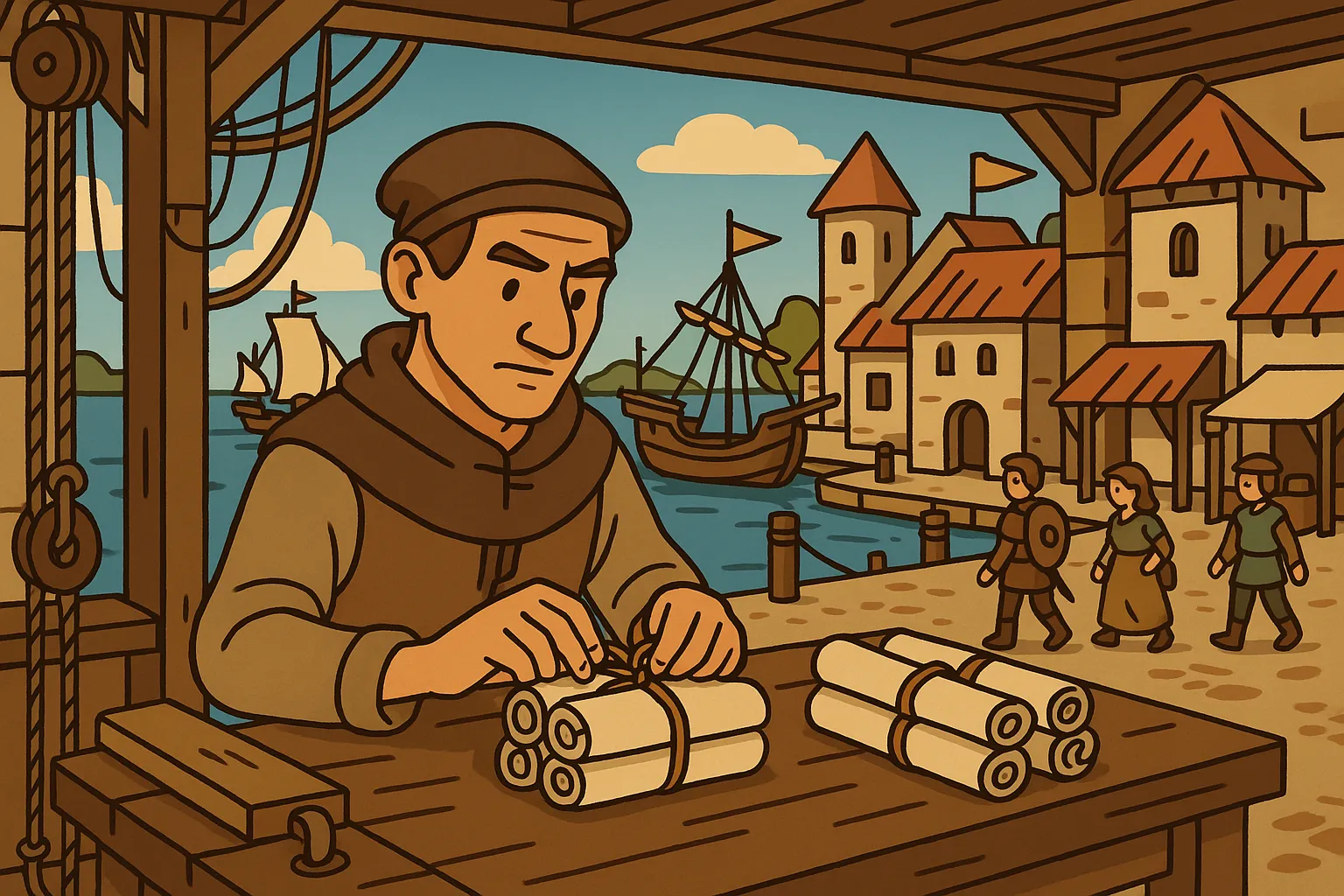
From 0 to 8 Daily Players: Finding Early Adopters for a Niche Browser Game
Found 8 daily active players by messaging old Inselkampf fans on Reddit directly, then refined onboarding with achievements and psychology tricks. 330 site visitors, 41 signups, 8 completing the first achievement set.
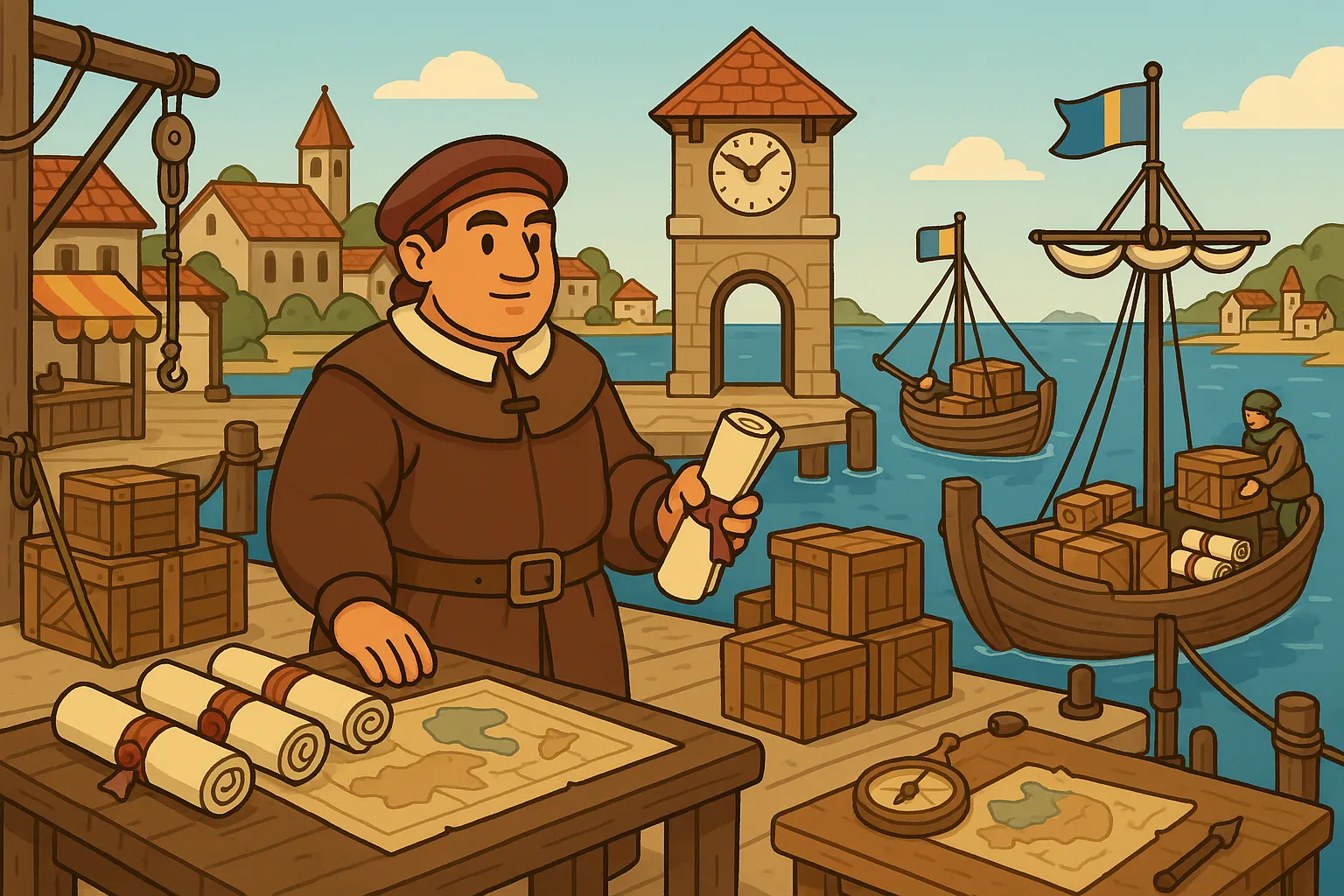
I replaced Google Analytics, Sentry, and Intercom with AI in a few hours
Built custom analytics, error tracking, and re-engagement tools instead of paying for SaaS. Total monthly cost under $20. Each one took a few hours with AI. Here's how and whether you should try it.
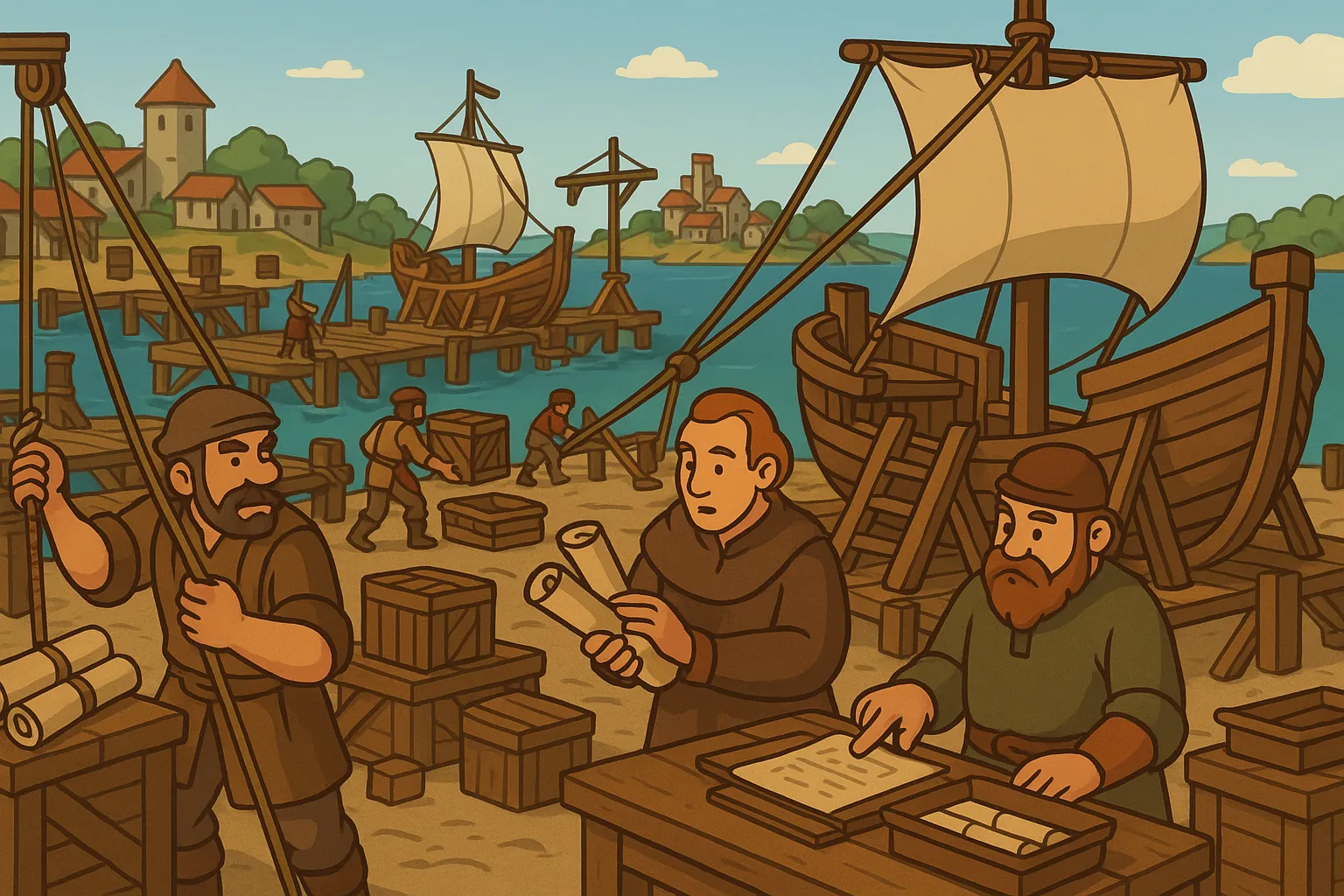
I built a multiplayer browser strategy game in two weeks
30 years coding, built a multiplayer island strategy game in two weeks using Claude Code, Codex, and ChatGPT. Started blind on my phone during a road trip. Sharing the workflow, the mistakes, and what I'd do differently.
A welcome at the gate, in-place market trades, recovery by post, and twenty new affairs
New governors get a welcome on arrival, the market confirms trades in place, you can recover lost access by post, and twenty new affairs landed.
Happy islands fight harder. See your real odds before you commit a fleet
Low happiness now weakens attack, fleet speed, spying, and colony odds, and you see your real odds before you launch a fleet or a charter.
Your queues at the desk. See build progress, live timers, and what finished while you were away
Build and training progress, live queue timers, and finished actions now show right at the main desk, with no opening the stores ledger.