The Black Tide
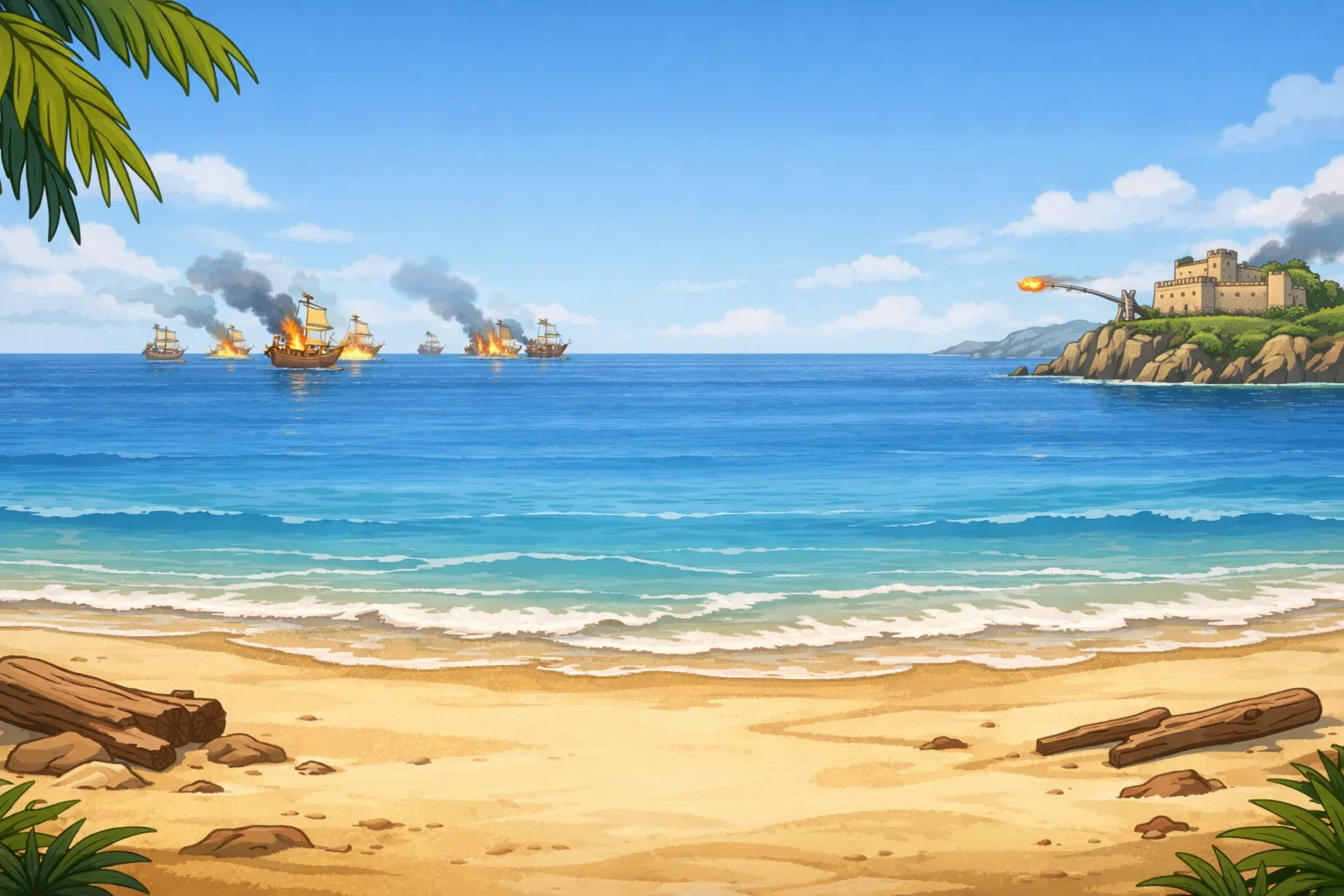
The Black Tide is a hostile sea power that claims abandoned shores. It cannot be bargained with, it hoards what it steals, and it remembers who strikes it. Learn to read its islands and you can raid it, rob it, and stay out of its way. Misread them and you lose a fleet finding out.
 Combat
 Raiding
 Lumen & the Shrine
 The Lumen Rupture
The three faces of the Tide
Every Black Tide island plays one of three roles. The role decides what the island does, how hard it is to crack, and whether it is worth your fleet.
| Type | What it does | How to spot it |
|---|---|---|
| Fortress | Holds the Tide's stolen lumen and treasures behind walls and a heavy garrison. Never sails out to attack. | A tall dark keep. Violet motes rise while lumen gathers in its vault; a standing patrol circles in black ships. An empty vault or a recalled patrol does not make the fortress harmless. |
| Raider | The thief. Slips out to plunder glowing shores and ferries the stolen lumen home to a fortress vault. Hunts down stolen idols. | A timber lodge with a lookout, a quiet shore and no rising plume. Its harbour serves the thieves. Lumen aboard the island still gives the surrounding water a violet glow. |
| Warband | The fist. When any Tide island is struck, warbands answer with reprisal waves. They also carry the great swarms. | A squat military hall with charcoal wisps and drifting ash above its roof. Its boarding crews and catapults must still be scouted. |
The buildings around a Tide headquarters show the settlement's development, as they do on a Governor's island. They do not reveal the troops defending it. Read the headquarters for its role, the violet water for lumen, and moving patrols for an active guard.
The blackened idols
The Tide hoards blackened idols, dark treasures it guards jealously on its shores. Break its harbours and an idol can fall into your hands. Taking one has consequences, and all of them arrive by sea:
- The Tide's raiders hunt stolen idols. Keep one on a shore they can slip into and they will carry it back into the deep, where it is lost for good.
- An idol never resurfaces once the Tide has it back. It is not sold on, not ransomed, not seen again.
- A standing patrol over your island screens raiders away. If you mean to keep an idol, keep ships circling above it.

What it wants
The Tide acts on appetite, not whim. It is drawn to  lumen: its raiders plunder shores whose reliquaries glow with stored light, and its churches store what they steal but never produce any of their own. A shore with no church casts no glow, and the Tide's patrols sail past it. It reclaims its stolen idols. And it answers anyone who strikes it.
Reprisals are sized to what you brought: roughly three quarters of the force you sent, returned in waves from several warband harbours. Keep striking and the waves keep coming, each heavier than the last. The Tide respects alliance protection and new-governor sanctuary at all times, and it passes over long-absent shores.
Going dark
A Governor who has not provoked the Tide can vanish from its patrols by emptying their shore of lumen. Tearing down your Church drains the reliquary and stops the glow, at the cost of the Church itself and most of the materials sunk into it. No Church means no lumen, no blessings, and no shrine, but also no beacon calling the deep to your harbour. Reprisal is the exception: once you have struck the Tide, its revenge follows you regardless of the glow.
Watching the Tide
Your watchtowers can be turned outward. Open the Watchtower at the Governor's Desk and switch to the Black Tide ledger. What you can read depends on your watch score, the combined level of every watchtower across your realm: at low watch you see nothing, then the size of the Tide's lumen hoard, then how many islands it holds, how fast the hoard is swelling — and the marks along the bar.
Those marks are the depths the hoard rises through. A mark fills as the hoard passes it, and the hoard can fall back below one again: the Tide's lumen sits in its fortress islands, and what you raid out of a fortress comes off the bar. A hoard driven back down is a Tide that has to climb the same water twice.
How it spreads
The Tide claims Forsaken shores: islands whose Governor has been absent for at least 14 days — but it holds back until the Governor has been gone 30 days. The stretch in between belongs to you: a Forsaken shore is open to liberation and colonisation before the Tide may touch it. When the Tide does move, it takes an abandoned realm slowly, one island per day, and the capital always falls last. A failing realm stays on the chart, and raidable, the whole way down.
A shore nobody ever settled runs the clock faster. If a Governor holds a single island, never built it past the bare landing, and has not been seen for 7 days, that island turns Forsaken early and the Tide may claim it after 14. The rule is narrow on purpose: it applies only to a lone starting island whose Governor never passed a standing of 500 — a mark a keen Governor passes on their first day. There is nothing on such a shore to plunder and nothing to win by liberating it, so the longer window protected nobody while the harbour sat dead. A Governor with two islands, or with any real standing, keeps the full 14-day and 30-day timeline.
It also settles empty water — and it does so because of something you did. Every new Governor finds a Tide harbour somewhere in their home reaches on the day they arrive; that one keeps to itself unless provoked. And raising or raising further a Church lights a reliquary the deep can see. What answers a new lamp is not a fleet but a harbour: black colours on open water that was empty the day before, somewhere in the same reaches. The Tide never claims a shore whose Governor is still active — it takes the sea between them instead.
And it answers. Drive it off an island, or light a new lamp, and the world may hear from it: a line of glyphs in world chat, and the harbour watch answering in the ticker. The glyphs are not broken text and there is no translation to look up. They are the Tide's own record-keeping, published where anyone can see it. Some Governors keep notes.
The Tide keeps what it takes. A claimed island is not razed to a camp — its walls, workshops, stores and standing troops pass into the Tide's service, and the blackened harbour that results is exactly as formidable as the realm that was lost. Everything that belonged to the Governor personally — blessings, standing, the island's good name — washes away. Allied troops stationed on a captured shore are not lost: they sail home, and their owner receives word of what happened.
How to clear one
A Black Tide holding is removed by force, and the force must be a siege. Beating the garrison is not enough on its own: the Tide holds an island from its hall, and the island is only freed once that hall is battered down to its foundations — the same rule that frees an abandoned Governor's island. Only 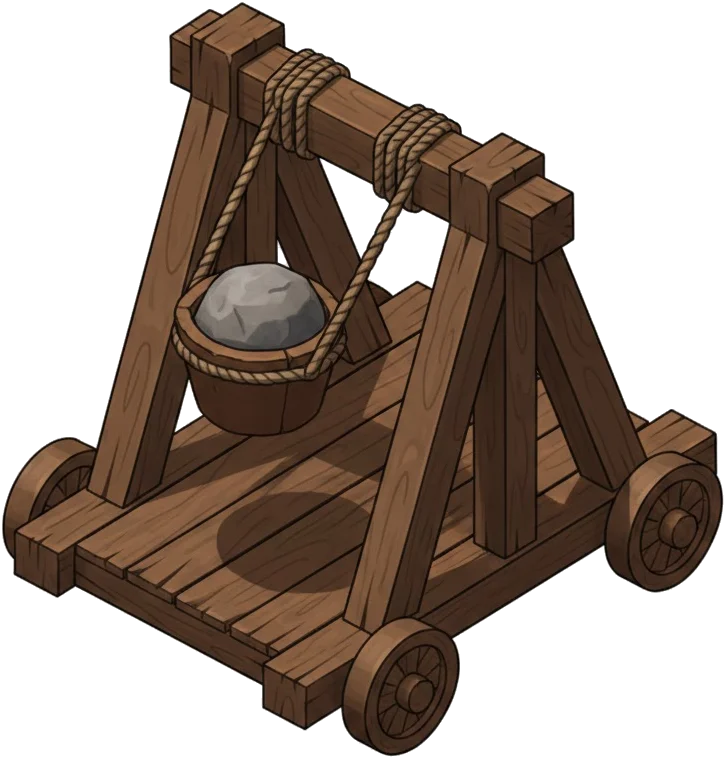 Catapults can touch a hall, and no single wave can bring down more than 5 building levels, so a well-built Tide harbour takes three or four separate waves to clear. Between them the Tide rebuilds what it can.
When the hall falls, plunder resolves and the island returns to the world. Governors active in that world during the preceding hour receive reclaimed stores and coins, up to three liberation gifts per UTC day. The allowance resets at 00:00 UTC and counts gifts issued, even after collection. Each gift still scales with the freed island’s size.
Further liberations still earn public credit on the Black Tide Liberators board but issue no more gifts once your allowance is spent. Gifts already waiting remain yours to collect.
Strip the Tide of every shore and it falls silent until it gains a foothold again.
If you return after losing everything
A Governor whose realm is gone is not sent back to the beginning. Rejoin the same world and you are granted a fresh island that already stands well above bare ground, with a stockpile to rebuild from, and new-governor sanctuary applies as it would for any fresh arrival. Use it to rebuild before you provoke anything, the Tide least of all.
Reference
What rules govern the Black Tide?system force
The Tide is a force of the sea, not a rival court. Happiness, food, population, trade, research, diplomacy, and rankings do not govern it. It cannot be messaged, allied with, or found in player search. Its islands show plainly as The Black Tide when selected, marked with a black ring in region view, and it acts only from harbours it holds: a Tide reduced to zero shores stays silent until it claims a Forsaken shore again.
What does a Tide fleet look like?composition
The Tide masses 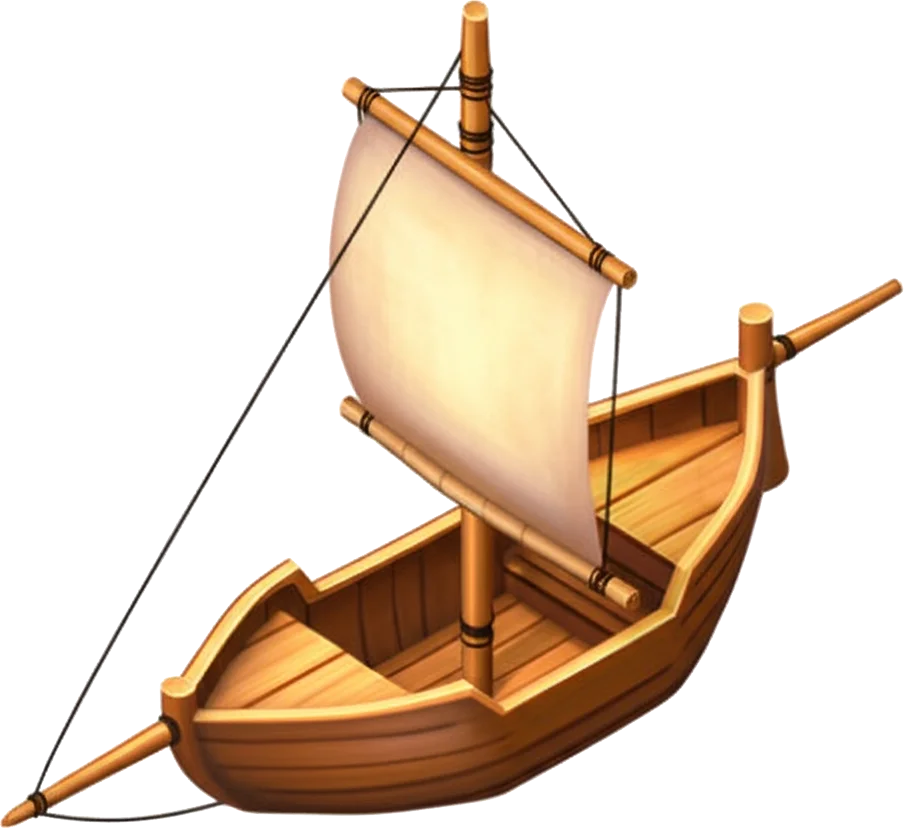 Small Warships carrying
 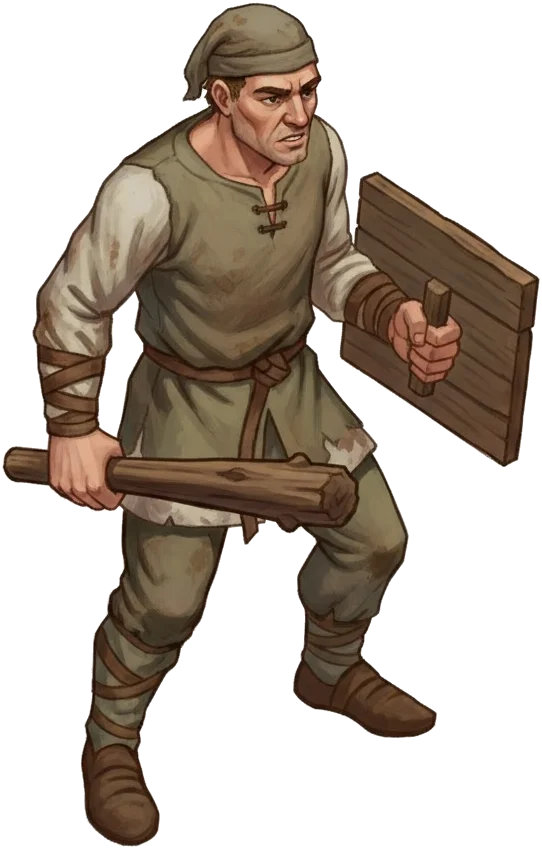 Stone Throwers, laced with Catapults as a campaign wears on. Fortresses keep dense garrisons of guard hounds behind high walls. Raiders keep merchant hulls for ferrying stolen lumen. Warbands carry the siege engines.
Common questions
Why did the Black Tide attack me?
Your defence dispatch names the cause: you struck one of its shores and this is the reprisal, your reliquary glows brightly enough to draw its raiders, or you are holding something it wants back. The way out is named too: let a reprisal cool, darken your shore, or accept that an idol is worth the weather.
How do I keep a blackened idol once I have one?
Raise a patrol over the island that holds it. The Tide's raiders are thieves, not soldiers: a screen of warships standing over your harbour turns them away.
My friend stopped playing. What happens to their islands?
After 14 days of absence their shores become Forsaken — open to liberation and colonisation by any Governor. The Tide waits longer: only after 30 days of absence does it begin to take them, one island per day, capital last. Until each one falls it sits on the chart like any other shore, and raiding it is fair game.
Can the Black Tide be wiped out completely?
Yes. Take every shore it holds and it falls silent, with no further strikes or reprisals, until it gains a new foothold.
If the Tide takes my last island, am I finished in this world?
No. Rejoin the same world and you are re-established on a fresh island that is already built up, with a stockpile to rebuild from and the tutorial set aside.