Units
Walls buy time, but only soldiers hold ground. From raw conscripts hurling stones to armoured swordsmen behind shield walls, every settlement must raise the forces it can afford, and field them wisely. This chapter covers every unit mustered in the archipelago, on land and at sea.
 Combat
 Buildings
 Research
Mustering Forces
Most land soldiers require a roof: one population per unit, supplied by the 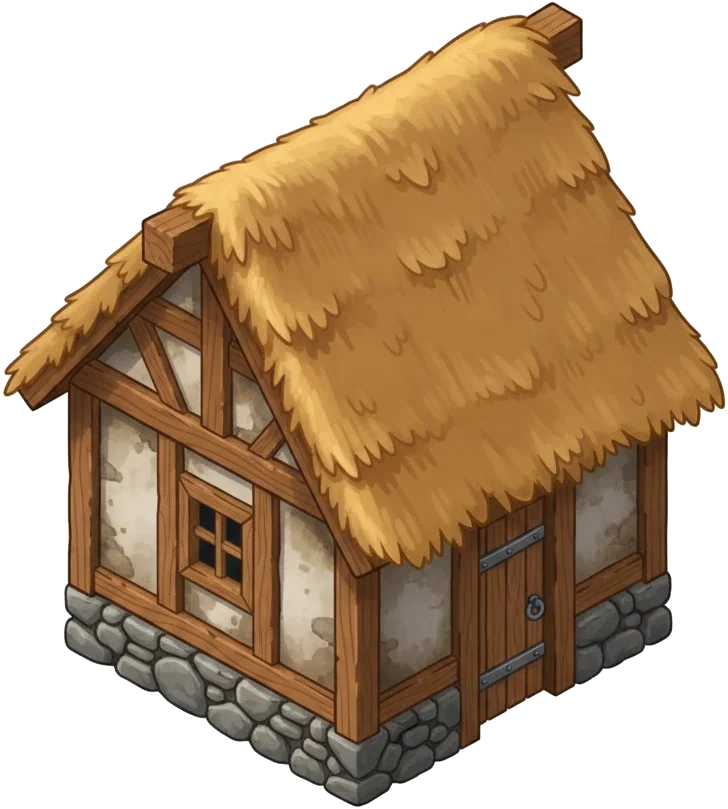 Housing. The lone exception is the
 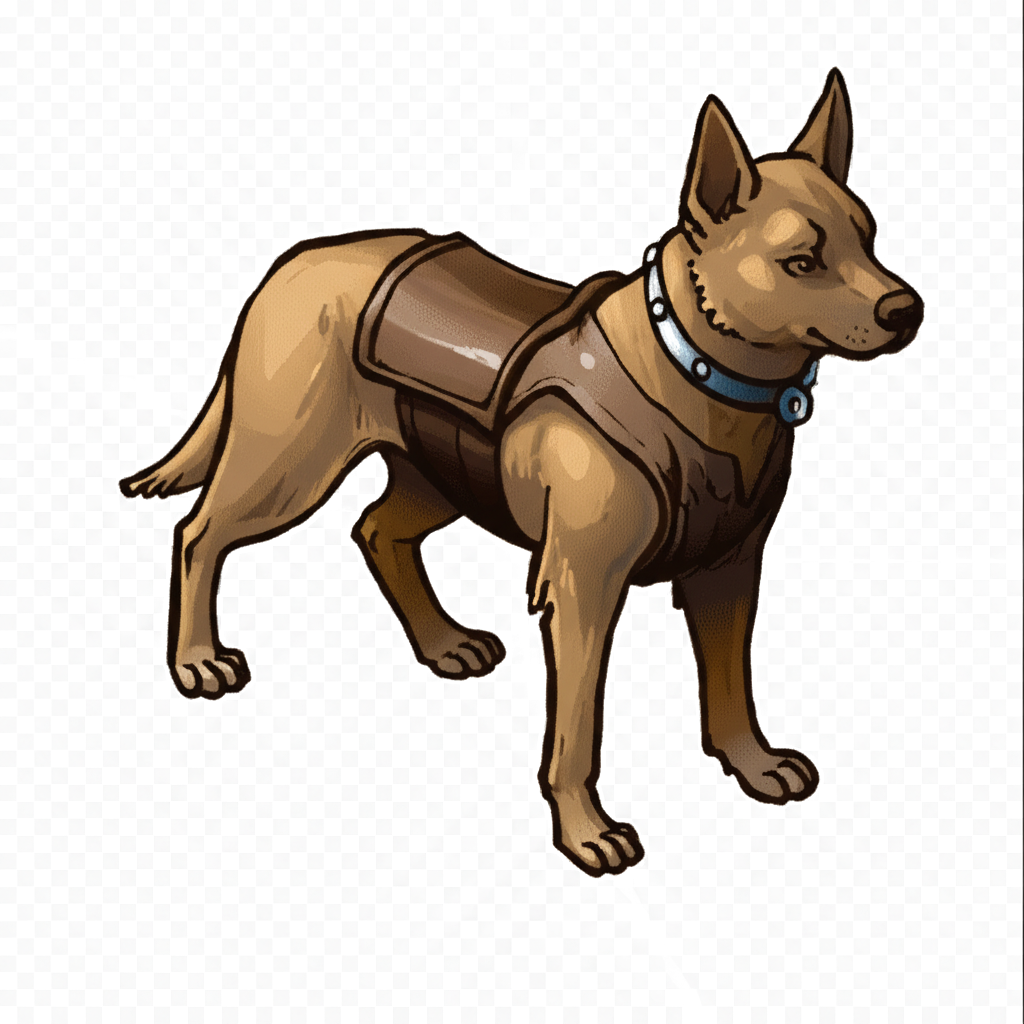 Guard Hound, which kennels its own pack and costs no population (see The Garrison below). Land forces are trained in the Barracks. Ships are launched from the
 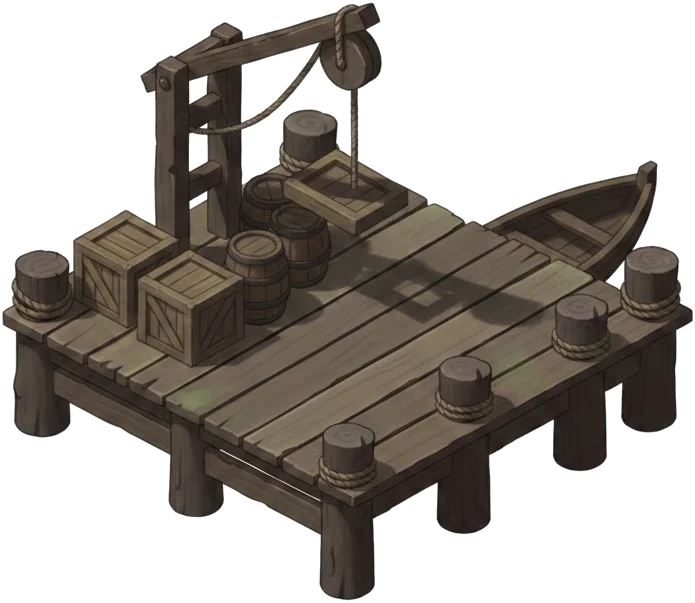 Harbour and do not count against population. Instead, a fleet is limited by harbour berths: the dock can only hold so many hulls, and the harbour level sets how many (see Harbour berths below). Only one training order runs at a time, but multiple units may be commissioned in a single batch. Higher building levels and research advancements unlock stronger forces.
The Garrison
Foot soldiers form the backbone of every army. The cheapest to train are 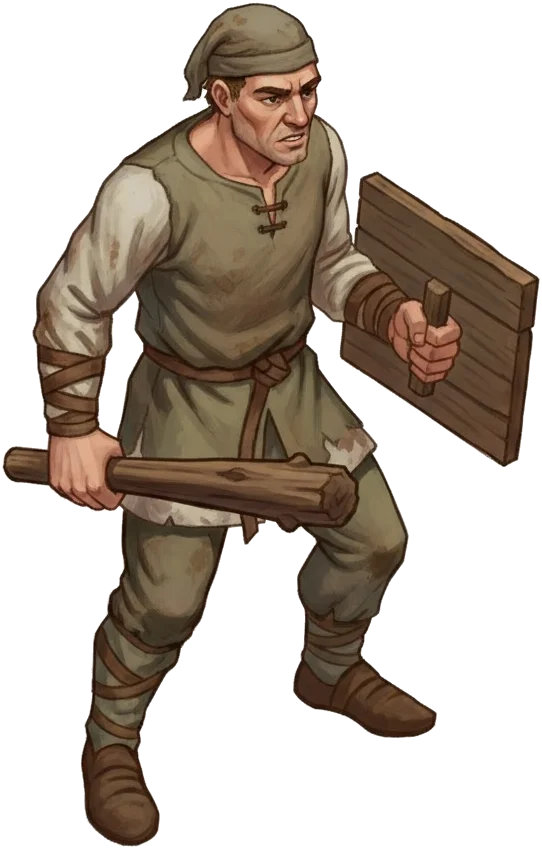 Stone Throwers, raw conscripts armed with little more than courage. With Spearcraft research,
 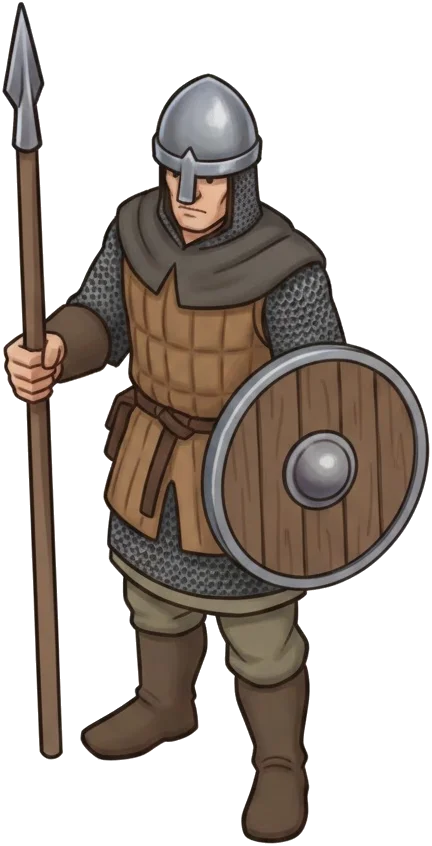 Spearfighters become available, reliable defenders that anchor the garrison. Later,
 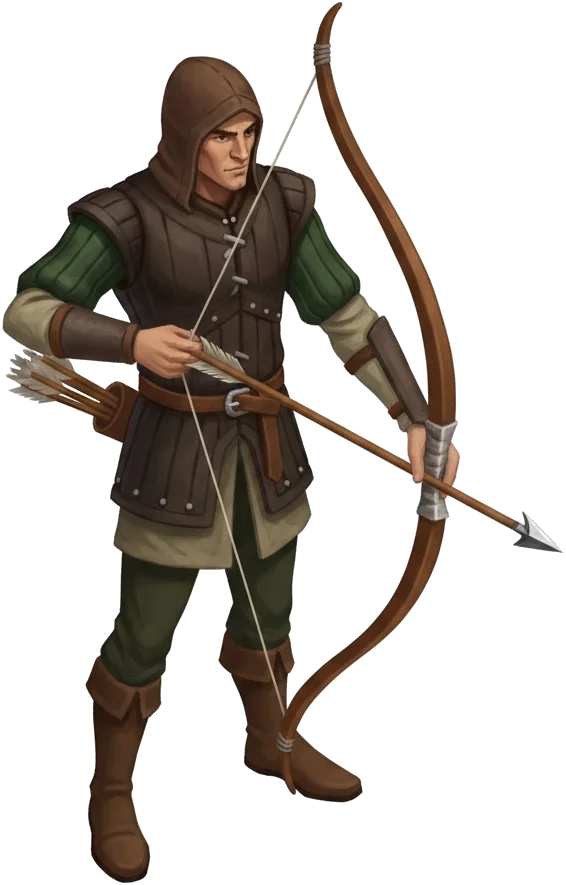 Archers bring ranged striking power, and
 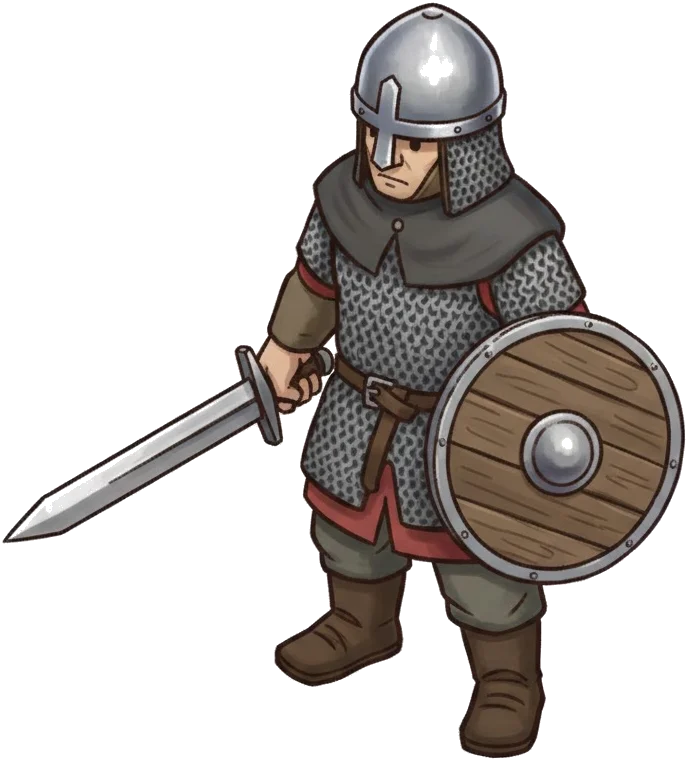 Swordsmen, unlocked through Shieldwork Level 3, are the finest defenders gold can buy.
Stone Thrower
infantryIslanders with slings, good arms and little else. Mustered in an afternoon, and spent nearly as fast.
 20 /
20 /  15 /
15 /  10Train 30s
Spearfighter
infantryLevy soldiers drilled behind a hedge of spear-points. Steady holding a line, and no shame in pushing one.
50 / 30 / 30Train 1mArcher
infantryBowmen who loose their work from a distance. Deadly while the range holds — best kept behind someone with a shield.
60 / 20 / 40Train 50sSwordsman
infantryMailed veterans with heavy blades and heavier patience. Where they plant their feet, the line does not move.
100 / 50 / 80Train 1m 30s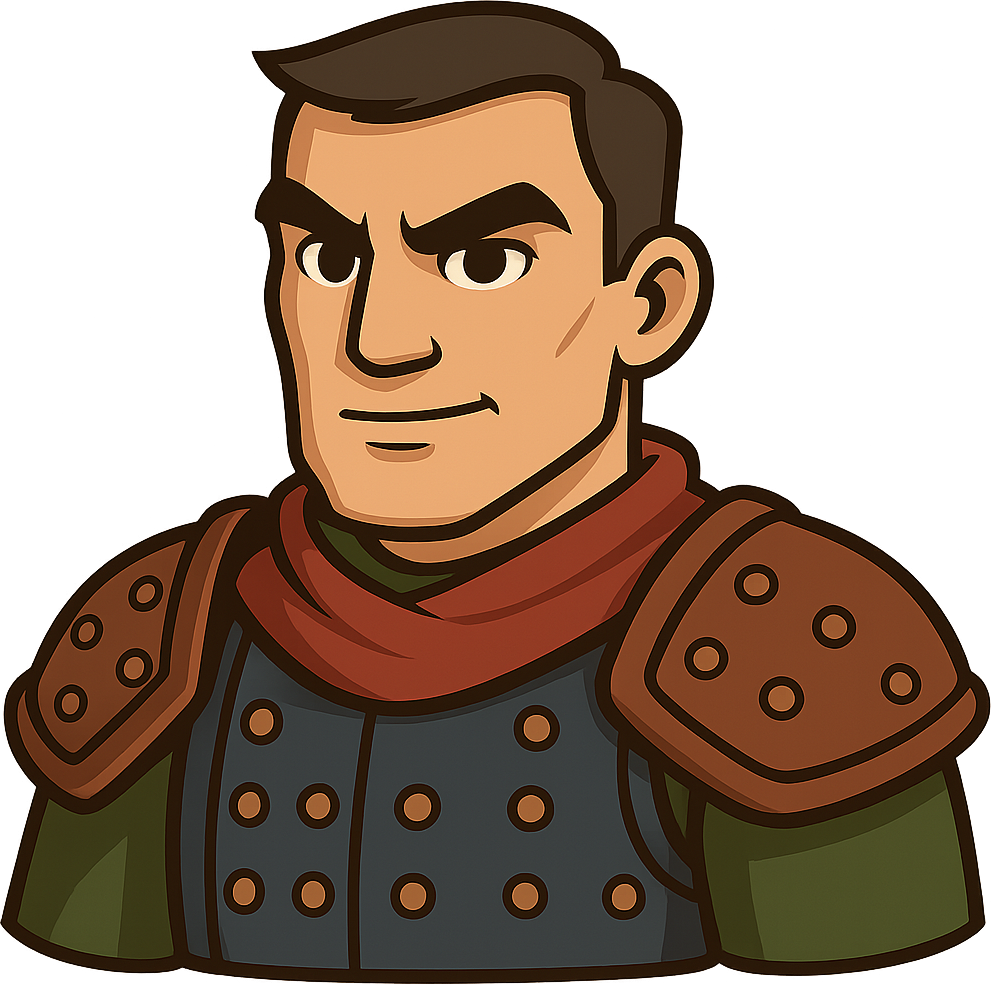
The Kennels
The Guard Hound is a young Governor's best friend. Raised at the 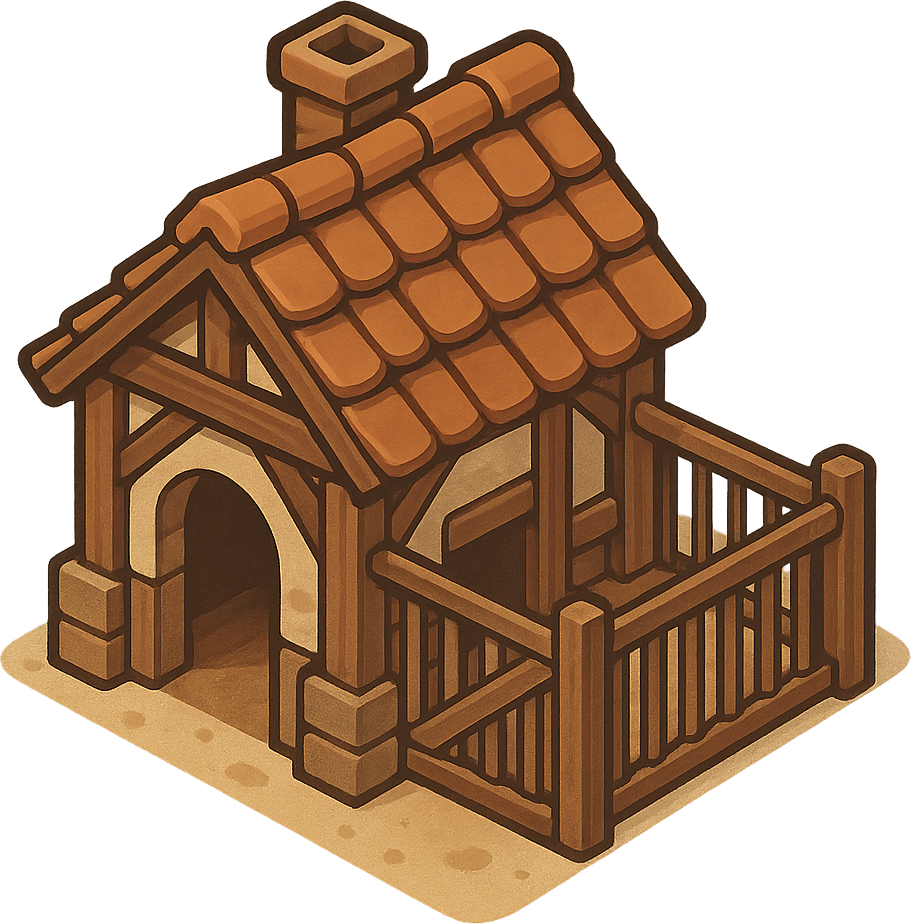 Kennels once you hold a Main House at Level 3 and a single rank of Houndcraft, a Warfare study that opens in the Laboratory's second tier, the hound arrives well before the tall Barracks and deep Shieldwork ranks that gate a Swordsman. For a handful of gold it stands a sturdy defender, and unlike every other land soldier it needs no housing and eats no food: the pack is fed and quartered by the Kennels itself, which supports up to thirty hounds per level. That makes a kennel of hounds the cheapest way for a new island to thicken its garrison without crowding its population or draining its harvest. The hound cannot board ships and never leaves the island, so it is a pure home guard, never an expedition trooper.
Guard Hound
guardDisciplined war dogs trained to hold the homestead and tear into invaders at close range. Cannot board ships.
35 / 20 / 30Train 45sSiege Engines
When a Governor intends not just to defeat an enemy but to raze their fortifications, siege weapons are required. The 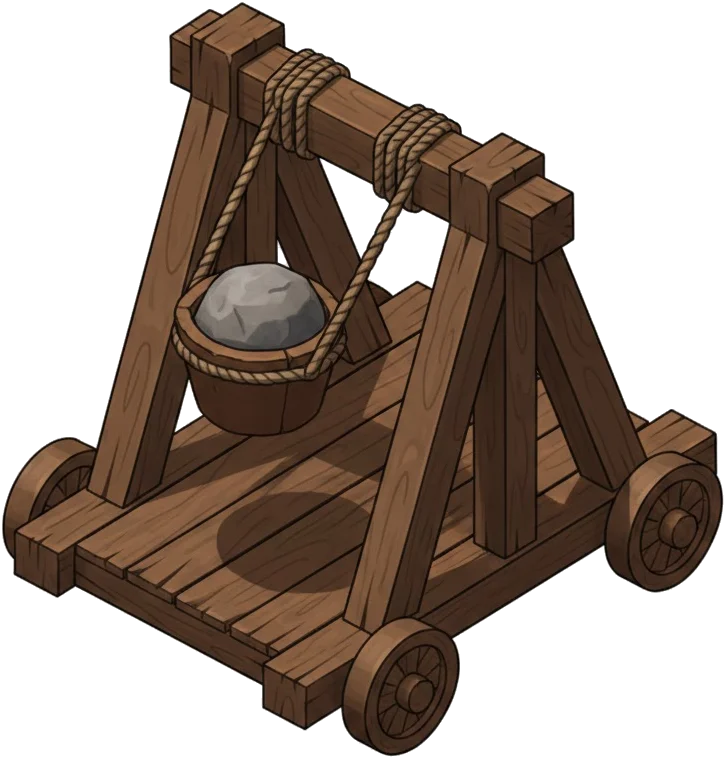 Catapult is the only engine of war capable of destroying buildings, and it is the instrument through which colonisation becomes possible. Catapults are devastatingly powerful on offence but nearly defenceless when caught without escort. They must be carried by ships with enough troop capacity.
Catapult
siegeTimber, rope and counterweight on groaning wheels. It cracks walls open — and no new charter is planted without one in the train.
150 / 120 / 100Train 2mThe Fleet
No island stands alone. Ships connect settlements to trade, war, and expansion. The 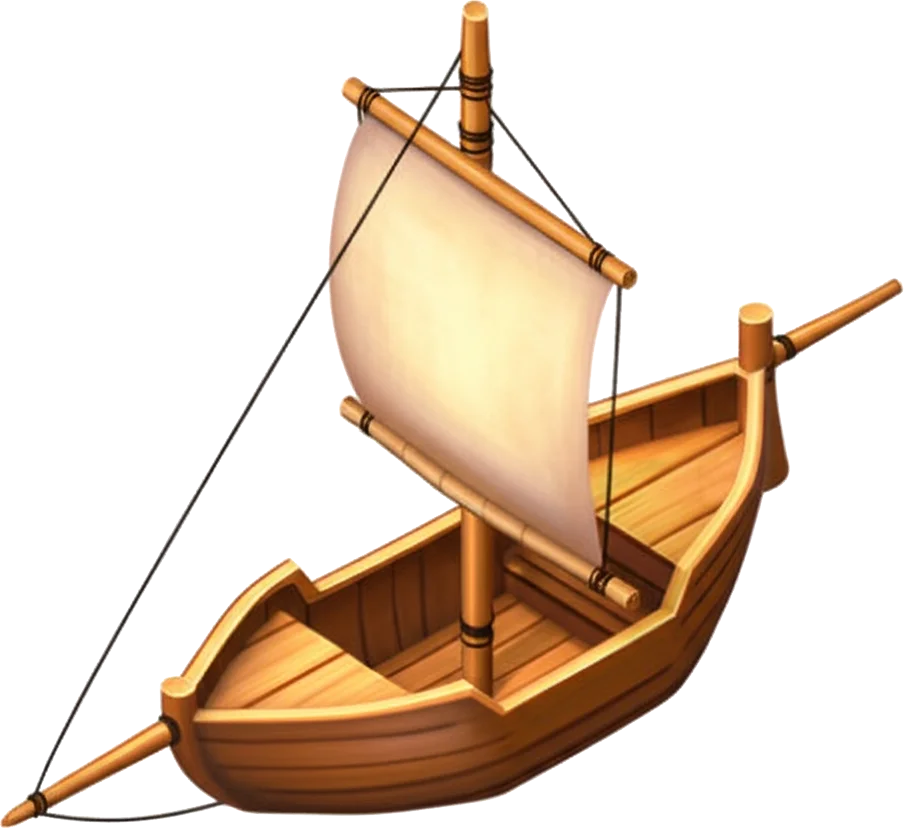 Small Warship is the workhorse of any attack fleet, fast and capable of ferrying infantry. The heavier
 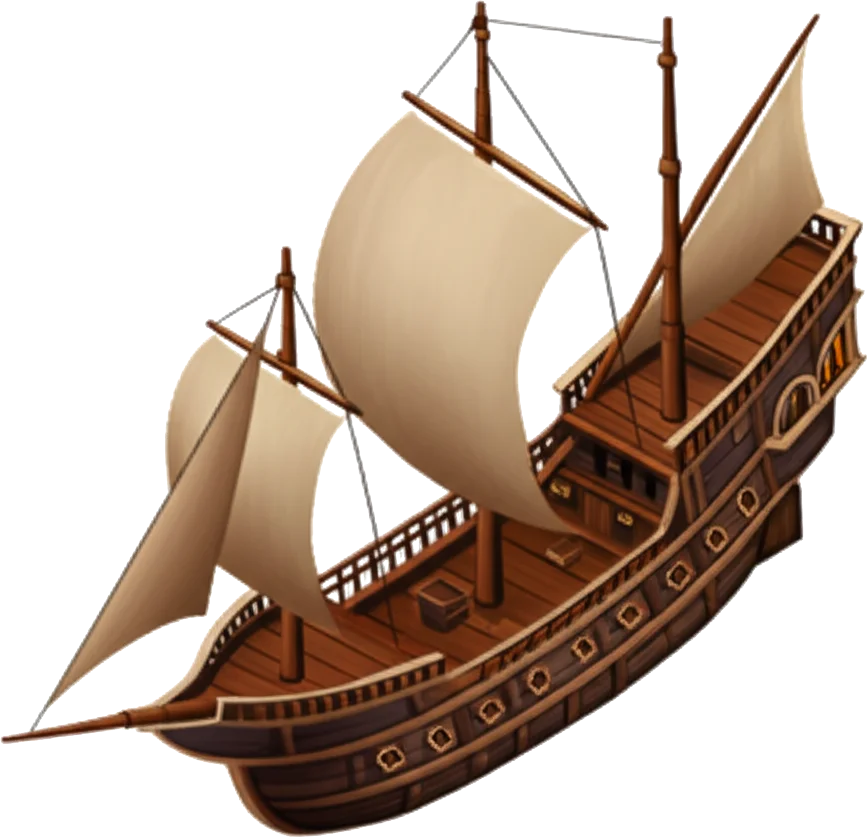 Large Warship carries a larger boarding force and hits harder, but sails slower and demands advanced Sailcraft research. For trade and supply,
 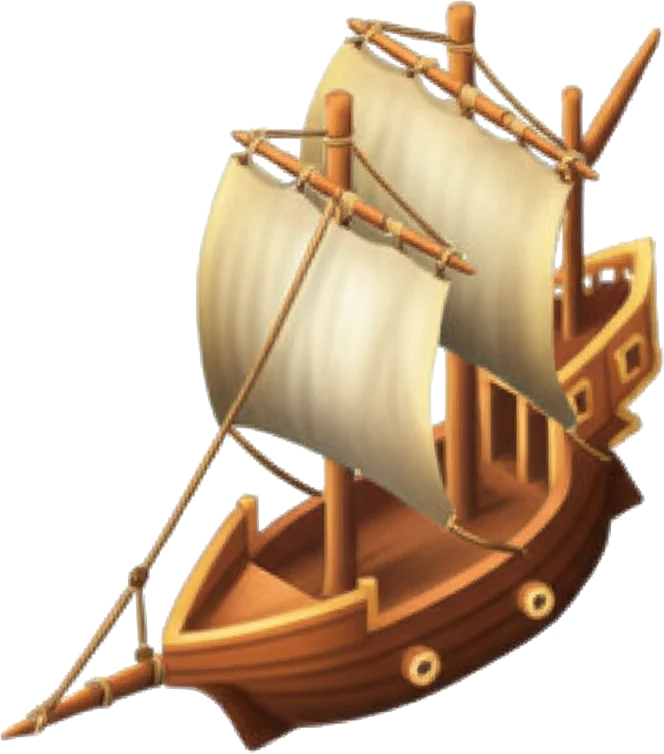 Small Merchant Ships and
 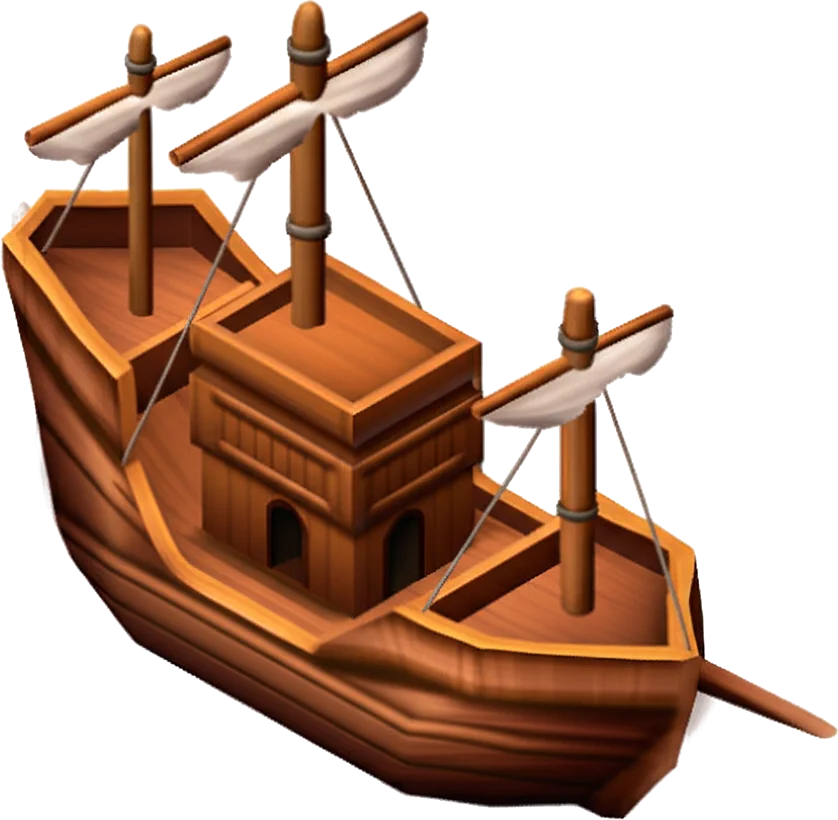 Large Merchant Ships haul resources between settlements. The
 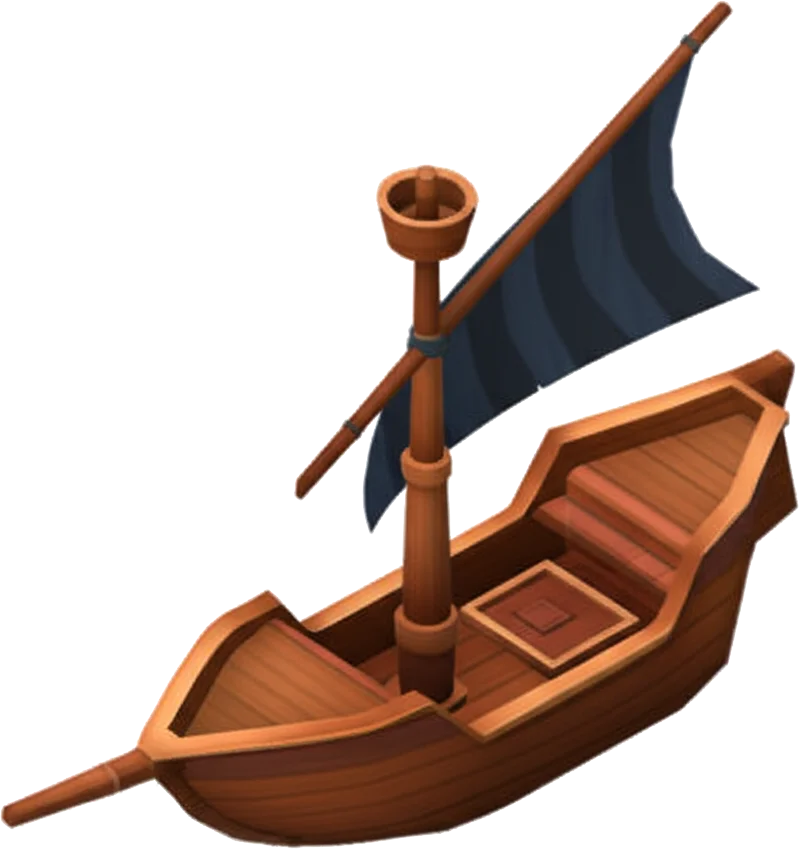 Spy Ship slips past defences to gather intelligence, but if detected by a Watch-Tower, it is lost. And when the time comes to claim new territory, the
 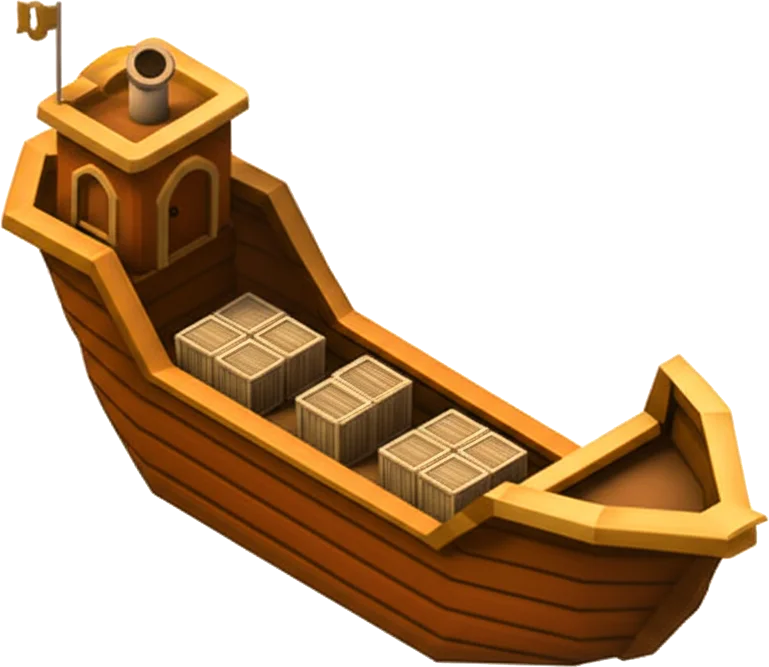 Colonisation Ship carries the means to establish a new domain.
Spy Ship
navalA low, quick hull that slips harbours unannounced and reads them closely. If a watch-tower's bell finds her, she does not come home.
80 / 60Train 1m 30sSmall Warship
navalA lean raider rigged for the chase. What she lacks in weight of timber she makes up in being everywhere first.
100 / 120Train 2mLarge Warship
navalThe fist of any war fleet, broad-beamed and iron-prowed. Soldiers and siege engines ride to battle in her hold.
300 / 350Train 4mSmall Merchant Ship
navalA modest coaster, patched sails and an honest hold. She moves small cargoes between islands without fuss.
80 / 100Train 1m 40sLarge Merchant Ship
navalA deep-bellied trader built for the long haul. Whole harvests ride in her hold, and the docks groan when she ties up.
200 / 250Train 3mColonisation Ship
navalA sturdy vessel built to carry settlers across the sea. She makes one voyage only — her timbers become the new settlement's first walls.
8000 / 7000Train 5mHarbour berths
A harbour is a fixed size, and every ship needs somewhere to tie up. Your whole fleet, warships, merchants, spy ships and colonisation ships alike, shares one pool of berths. The harbour grants 50 berths per level, so a fully upgraded harbour at level 20 holds 1000.
Bigger hulls take more room. A light ship costs one berth; a large warship or large merchant takes two; a colonisation ship is a floating town and eats ten. So a harbour forces a choice: a wall of light warships, a smaller line of heavy hulls, a merchant train, or some balance of all three. To dock more, raise the harbour.

How many berths does each ship cost?6 ships
At a Glance
For quick comparison, the following roster summarises every unit in the archipelago. Consult the individual entries above for full training requirements and descriptions.
What are the unit stats at a glance?12 units
| Unit | Type | Atk | Def | Spd | Carry | Troops | Berths | Train |
|---|---|---|---|---|---|---|---|---|
| Stone Thrower | infantry | 5 | 3 | none | 0 | 0 | 0 | 30s |
| Spearfighter | infantry | 10 | 20 | none | 0 | 0 | 0 | 1m |
| Archer | infantry | 20 | 8 | none | 0 | 0 | 0 | 50s |
| Swordsman | infantry | 15 | 35 | none | 0 | 0 | 0 | 1m 30s |
| Guard Hound | guard | 0 | 14 | none | 0 | 0 | 0 | 45s |
| Catapult | siege | 35 | 2 | none | 0 | 0 | 0 | 2m |
| Spy Ship | naval | 0 | 2 | 2 | 0 | 0 | 1 | 1m 30s |
| Small Warship | naval | 10 | 10 | 1.2 | 40 | 5 | 1 | 2m |
| Large Warship | naval | 30 | 30 | 0.8 | 90 | 10 | 2 | 4m |
| Small Merchant Ship | naval | 0 | 5 | 1 | 80 | 5 | 1 | 1m 40s |
| Large Merchant Ship | naval | 0 | 10 | 0.7 | 200 | 10 | 2 | 3m |
| Colonisation Ship | naval | 0 | 5 | 0.5 | 5000 | 0 | 10 | 5m |
Common questions
Do ships count against population?
No. Land units and training queues use housing capacity. Ships are limited instead by harbour berths, plus research, resources, and training time.
What happens if a returning fleet puts me over my berths?
Returning ships always dock, even over capacity, and none are ever taken from you. But a fleet well over its berths chokes the harbour: an island condition appears, happiness and trade income drain while it lasts, and you cannot build new ships until losses, upgrades, or breaking ships up bring you back under the line. The same principle applies to war engines beyond what your barracks can crew and to hounds beyond the kennels.
Can I get rid of ships or war engines I no longer want?
Yes. Open the ship or engine in your island's list and choose Break Up. The yards take it apart and return a quarter of the materials it was built from, straight to that island's stores. It cannot be undone, and only units standing at the island can be broken up — crews away at sea or garrisoned elsewhere are beyond the shipwright's reach until they return.
Salvage is not held back by your storehouse: if the reclaimed materials put you over its capacity, the excess spoils over the following hours like any other overflow, so plan what to spend it on before breaking up a large fleet at once. Soldiers and guard hounds cannot be broken up — they are living, and are not disbanded this way.
Can Large Warships carry infantry?
Yes. Large Warships have more troop capacity than Small Warships and can carry any transportable land unit, including siege engines.
Which unit cannot board ships?
Guard Hounds stay on their island. They are defensive patrols, not expedition troops.