Plunder
A plunder run is the quiet way to bleed a neighbour: warships slip into an enemy harbour, lift what they can carry, and steal away before the watch turns. No pitched battle, no ground taken, and no name left behind. The risk is being caught, never being identified.
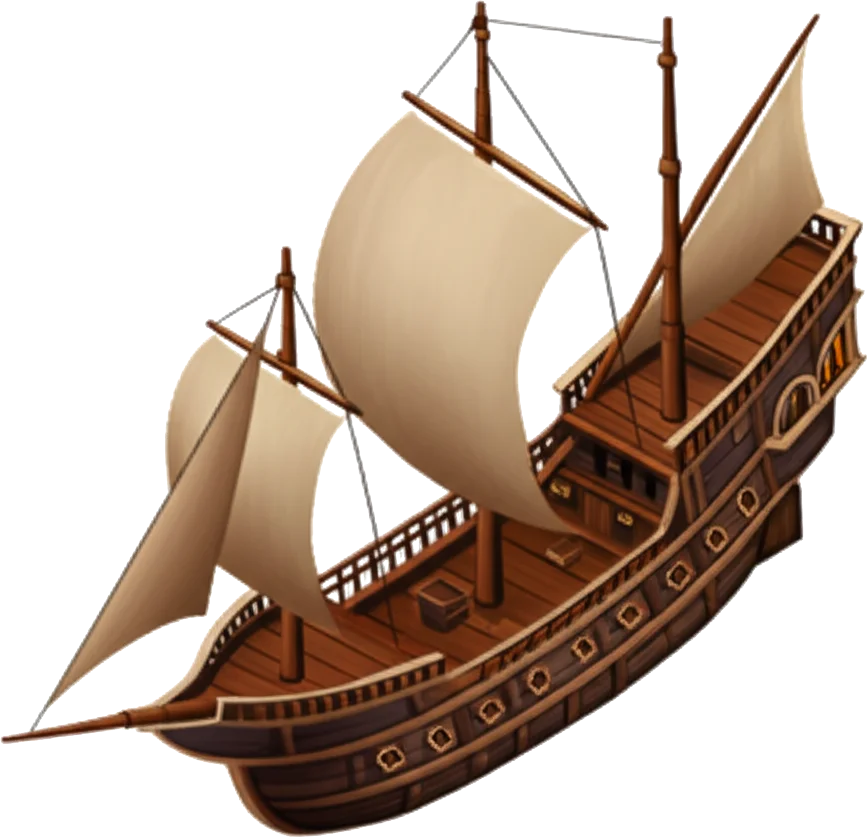 Attack & Battle
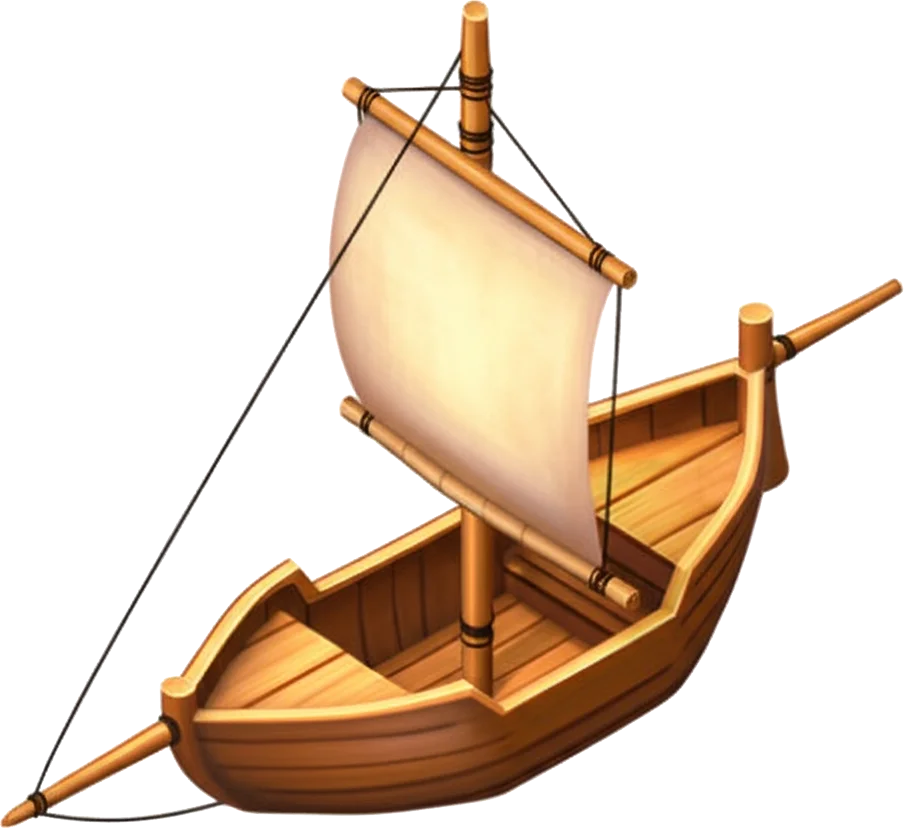 Raiding
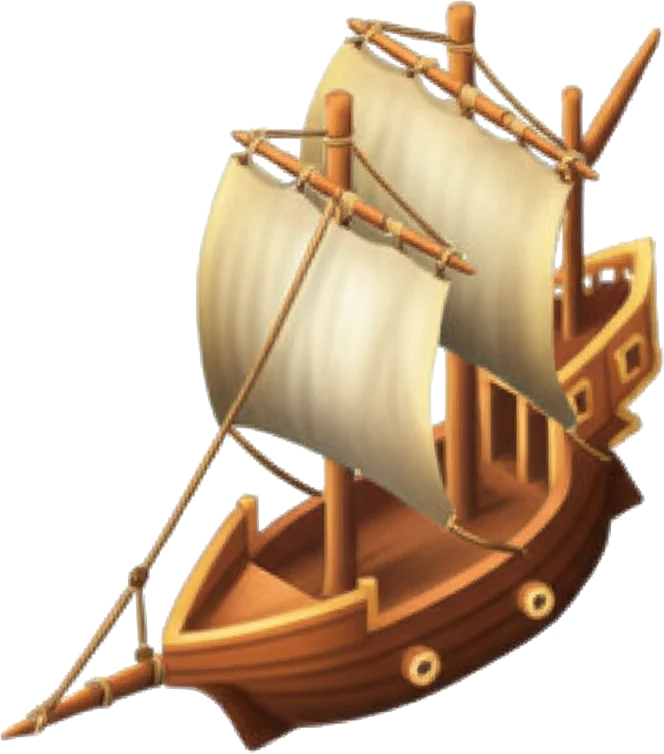 Intercept
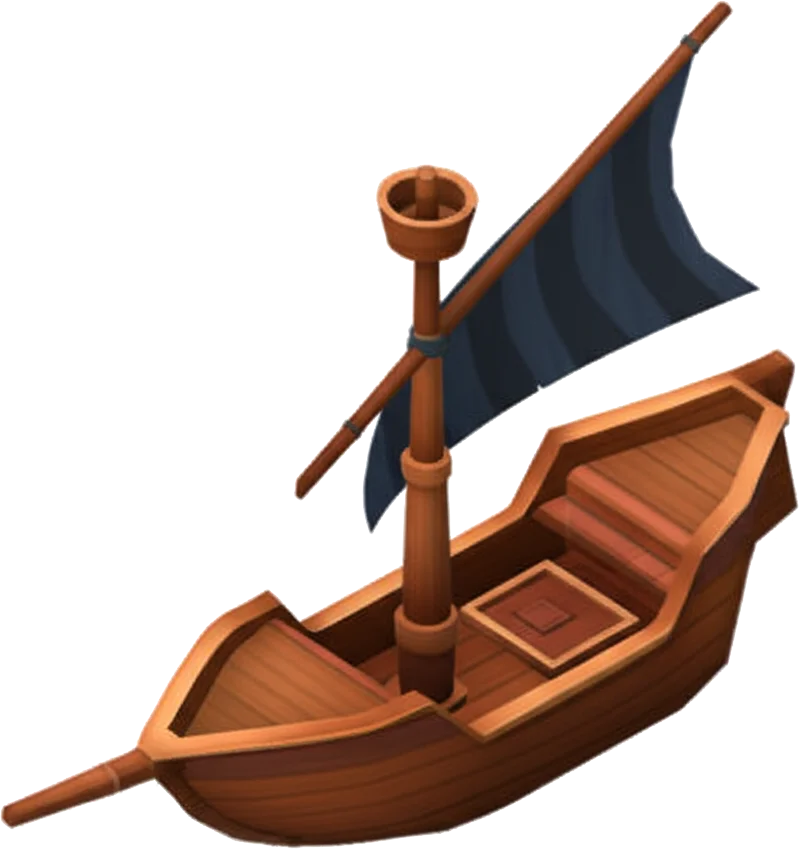 Espionage
 Honour and Bounties
How a run works
An assault is the pitched landing where one comparison of strength decides all. A plunder run, chosen from the same Attack menu, never fights that battle and never tries to take ground — it only steals stores. This is how a weaker Governor can "punch up" and bleed a stronger neighbour without throwing a fleet onto their walls. The loot scales with the prestige gap: raiding up a weight class pays in full, while raiding far down it does not.
Plunder is a learned art, not a birthright. Before an island can send a run at all, it must study Night Landings in the Shadow Arts branch of its own Laboratory. The knowledge belongs to the island that studied it: a Governor with many harbours must school each one that means to raid quietly.
Unlike an assault, a plunder run is not deterministic. It turns on a single getaway roll — the chance your raiders evade the harbour watch. Send only warships: they are both the escort and the holds that carry the loot. No troops, no merchant ships. Small warships are better at slipping close than large warships, so they count more for stealth. Your getaway chance climbs with escorts, Espionage research, old guild seals loaded for the run, the target's prestige, visible neglect, and collapsing civic happiness: strained, greying, and blackened islands are progressively more tempting. It falls against a taller Watch Tower, Kennels, risky plunder focuses, and especially a fresh patrol. A Watch Tower no longer just warns of a plunder run — there is no advance warning of one — instead it sharpens the odds of catching the raiders in the act.
A plunder run resolves one of three ways:
- Turned away. The raiders get in clean but find nothing worth taking. The fleet sails home empty, and the victim never even notices.
- Plundered. The raiders get away with the goods. The victim is told they were robbed — but the crew left no banner and no name, so they never learn who or from where.
- Caught. The watch nabs the crew at the wharf. The raiders lose part of their party (a real cost — but not the whole fleet, as a lost assault would be), and carry nothing home. The defender keeps everything and knows someone tried — but that is all they learn. Plunder crews sail without colours and do not talk: no name, no home island, ever. The risk of a plunder run is being detected, never being identified.
Old Guild Seals — getaway and silence
You can tip the roll before you sail. Load Old Guild Seals onto the run and each seal adds 8% to the getaway chance, up to four per mission for a full +32%. Without goods aboard, no run can exceed a 95% getaway chance; a sealed run can be pushed all the way to a certain getaway. The seals are spent when the fleet sails, whether the crew slips away or gets caught. Note that the seals raise your odds of escaping with the stores; a plunder run still steals resources only, never the target's goods. A seal buys one more thing: a sealed haul never appears on the public Plunderers board. Sail without one and the world watches your climb; sail sealed and you trade the glory for silence. Your alliance's raiding quests count the haul either way.
Patrol is the main counterplay. It does not bounce a plunder run home; instead, a standing patrol applies a final multiplier to the getaway chance based on its committed warship strength and Crew Grit compared with the raiders' escort strength. Strong, fresh patrols can drag even a well-prepared run into danger; stale patrols with low grit stop mattering much, which makes neglected guarded islands tempting. Loaded goods, prestige, and blight help before this step, so they improve the attempt but cannot bypass a serious patrol. Plunder contact does not spend a patrol ship, but every raiding crew caught at an island whose patrol is still on watch is counted on that patrol's raiders turned back line, so you can see the work it does. Because a plunder is a quiet theft and not a siege, it never sets the target island ablaze on the map the way an assault does.
What a plunder run can carry off is bounded by the same Storehouse protection as any raid, and repeated plunder of the same coast suffers the same diminishing returns — and a settled harbour remembers for 72 hours, far longer than an unclaimed shore, so returning to a Governor you have already robbed pays less each time. A plunder run never damages buildings, never razes, and never dispossesses an owner; it also does not count toward either side's war record. A plunder run is anonymous by its nature — the "Unsigned Sails" rite adds nothing here; its value is in hiding your name on open attacks and keeping your deeds off the public boards.
Size cuts against the bully. When a large realm preys on a much smaller one, two things turn against the raider at once: the getaway sags, and the haul that reaches home shrinks, down to as little as a tenth of what those same holds would carry off a near-equal coast. Grinding weak islands rarely pays for the voyage. The cut grows smoothly with the gap, with no cliff: a realm twice its target's size already keeps about four fifths of the haul, and the send screen shows the exact share before you sail. Punching up a weight class keeps the full haul and a better getaway, which is the whole appeal of the run. An undefended near-peer plunder usually gets away clean; the reliable way to stop one is a standing patrol, not a taller Watch Tower. Both the odds and the cut are fixed when the fleet leaves harbour: a realm that grows or shrinks while the run is at sea changes nothing.
A plunder run also touches your Honour. Between equals, the first run a day on one Governor is free and every run after it costs; on a far smaller realm that still plays, every run costs. Repeated plunder can make you Wanted, but the crew still never talks: the WANTED poster gives the same short reason for everyone and never says what you took or from whom. The send screen's Matchup row shows the exact change before you sail.
Choosing your focus
Before you sail, choose what your raiders prize. The default is Resources — gold, stone, and lumber from the storehouse. You may instead focus on a single prize:
- Coins — break into the vault and carry the coin home to your own treasury. Coin is conspicuous cargo: the getaway is far riskier, and a raid can never empty the vault outright. Any coin that overflows your own treasury on arrival is lost.
- Lumen — strip the shrine's reliquary to starve a rival of their blessings. Same getaway risk as resources.
- Food — haul off the granary to pressure a rival's people. Bulky and dull, food is the easiest haul to slip away with, and lands in your own stores on return.
Whichever you choose, the haul is bounded by your fleet's hold and the shared raiding diminishing returns, and a slice of coin and food is always shielded so a single raid cannot ruin an island in one morning.

Plunder Protection
A fortified Storehouse shields a portion of reserves from plunder — enough, at a serious level, to bank your next building at home instead of ferrying the savings between islands. Lumen, kept in the church reliquary rather than the common stores, receives no such protection. Every drop is fair game when the shrine is sacked, and any that overflows the attacker's own reliquary evaporates on the voyage home.
The shield has a limit on both sides. It protects up to the Storehouse's allowance and no further — a great hoard spills everything above it. And no store is ever sealed: however strong the Storehouse, a successful raid always claims a share of what is actually held. You keep at least nine-tenths of a modest store; raiders always find the tithe.
Plunder is also a political risk. Crews find richer, larger realms easier to justify and easier to lose themselves within, while predatory strikes against smaller domains draw more scrutiny, are harder to carry home cleanly, and the haul itself is throttled: against a much smaller realm the crew carries home only a fraction of what those holds would lift from a peer, down to a tenth at the widest gap. A neglected or blackened island may still look tempting, but a fresh patrol remains the surest answer.
How much does each Storehouse level protect?21 rows
| Storehouse Level | Protects up to / resource |
|---|---|
| 0 | 180 |
| 1 | 4,680 |
| 2 | 9,180 |
| 3 | 13,680 |
| 4 | 18,180 |
| 5 | 22,680 |
| 6 | 27,180 |
| 7 | 31,680 |
| 8 | 36,180 |
| 9 | 40,680 |
| 10 | 45,180 |
| 11 | 49,680 |
| 12 | 54,180 |
| 13 | 58,680 |
| 14 | 63,180 |
| 15 | 67,680 |
| 16 | 72,180 |
| 17 | 76,680 |
| 18 | 81,180 |
| 19 | 85,680 |
| 20 | 90,180 |
Someone is plundering me — what do I do?
The levers below are in the order they matter. The first one does most of the work, and it is the one most robbed islands are missing.
- Put a patrol on the water. Ships on the water are what turns a raider back — a standing patrol multiplies against the raiders' getaway no matter how well the run was prepared, and nothing the raider loads can bypass a serious one. Commit real warships and relieve it before its Crew Grit goes stale: a tired patrol stops mattering, and a guarded-looking island with a stale patrol is exactly what raiders hunt for.
- Raise the Watch Tower — for the catch, not for a warning. There is no advance warning of a plunder run. What the tower does is sharpen the odds of catching the crew in the act, which costs the raider part of their party and the whole haul. It makes runs against you more expensive; it does not make them stop. Walls and towers watch the raiders go — the patrol is what meets them.
- Kennels. Hounds work the wharf and cut the getaway further. A useful third lever once the first two stand.
- Keep the island in good order. Visible neglect and collapsing civic happiness make your harbour more tempting and the getaway easier. A strained, greying, or blackened island advertises itself.
- Let the Storehouse do its work. A serious Storehouse shields enough to bank your next building at home. Do not chase a sealed store — there is none; a successful raid always finds a tithe of what is actually held — but a raider who keeps coming back for a tenth of a guarded stockpile is paying more than they take.
Time is on your side too. A settled harbour remembers its raids, so each repeat visit inside that memory pays the raider less — being farmed gets steadily less profitable for the other side even before your patrol stands. An island that keeps being robbed with no patrol out shows "A Shore Worth Robbing" in its Island State list; send a patrol and the card clears. And the plunder report itself reads your island as it stood when the raiders came and names what was missing, starting with the patrol.
Common questions
If my crew is caught, does the victim learn my name?
Never. A caught crew costs you part of the party and the whole haul, but plunder crews sail without colours and do not talk. The victim learns someone tried, and nothing more.
Why was my haul so much smaller than my holds?
Three throttles apply: the Storehouse shields a slice of every stockpile, repeat visits to the same coast decay under the shared raiding diminishing returns, and preying on a much smaller realm cuts the haul itself, a little as soon as you are the bigger realm and down to a tenth at the widest gap. Hunt your own size or bigger and the holds come home full.
Do I appear on the Plunderers leaderboard?
Yes, by default — the victim never learns your name, but the public board still records the haul. Load an Old Guild Seal on the run and the haul stays off the board entirely; your alliance's raiding quests count it either way.